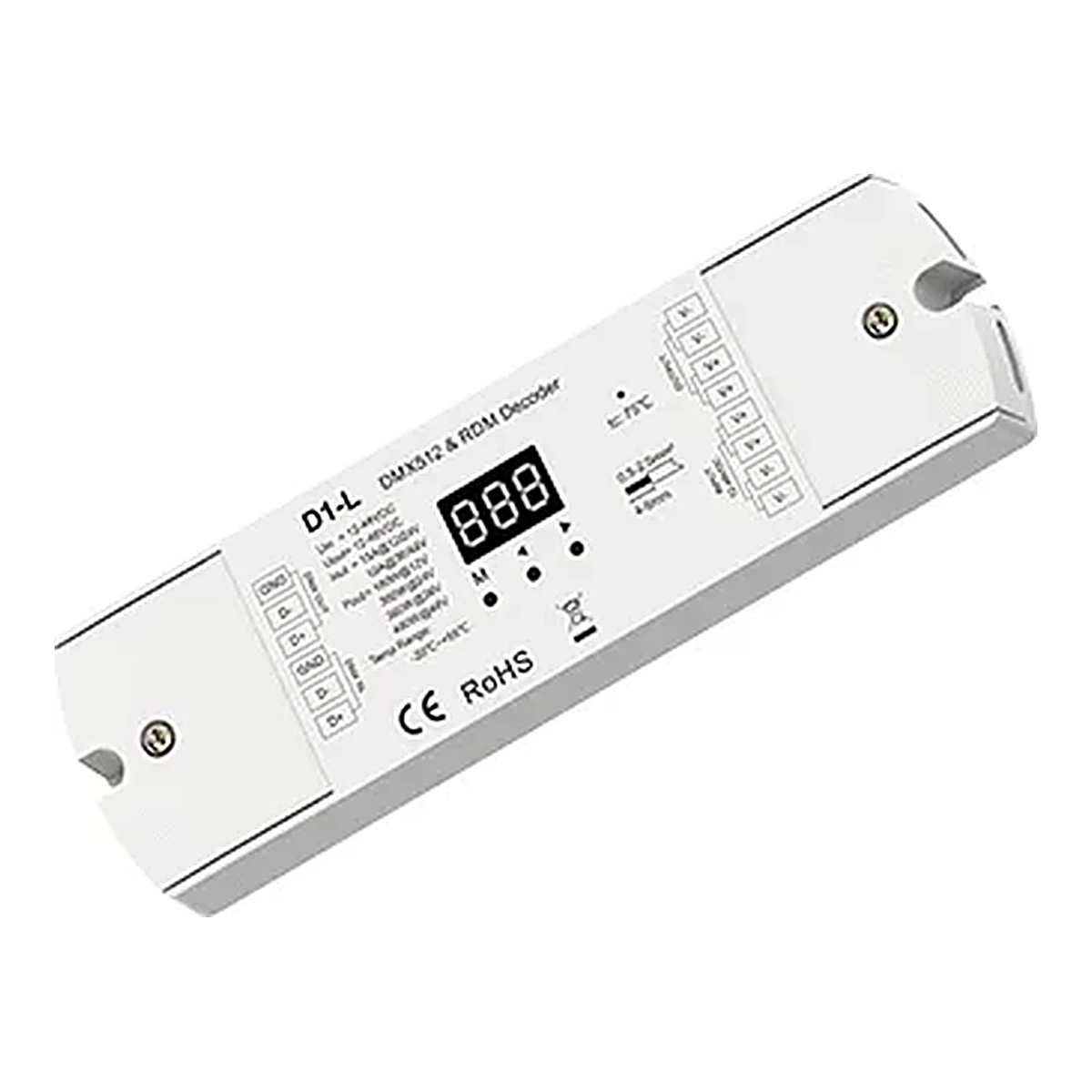
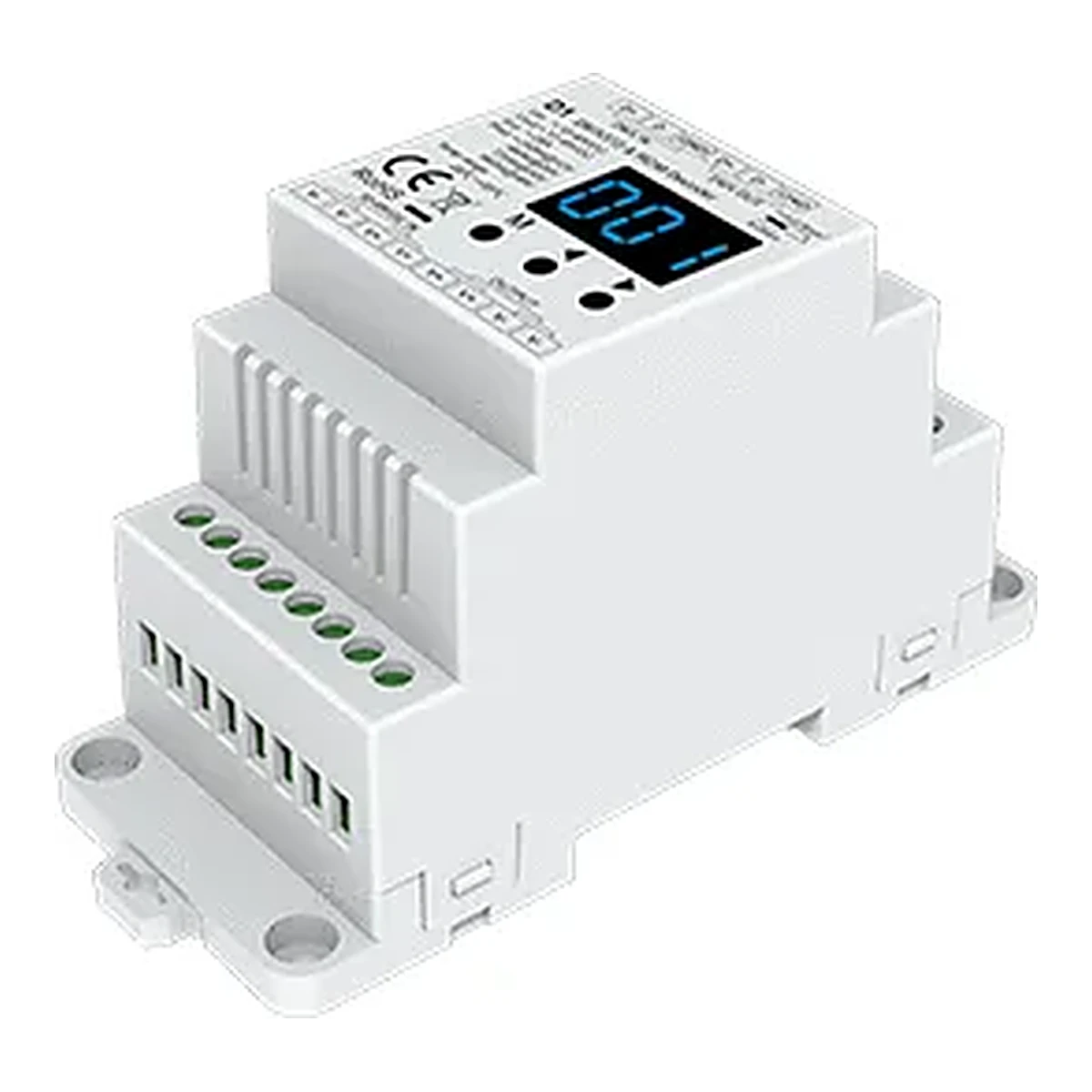
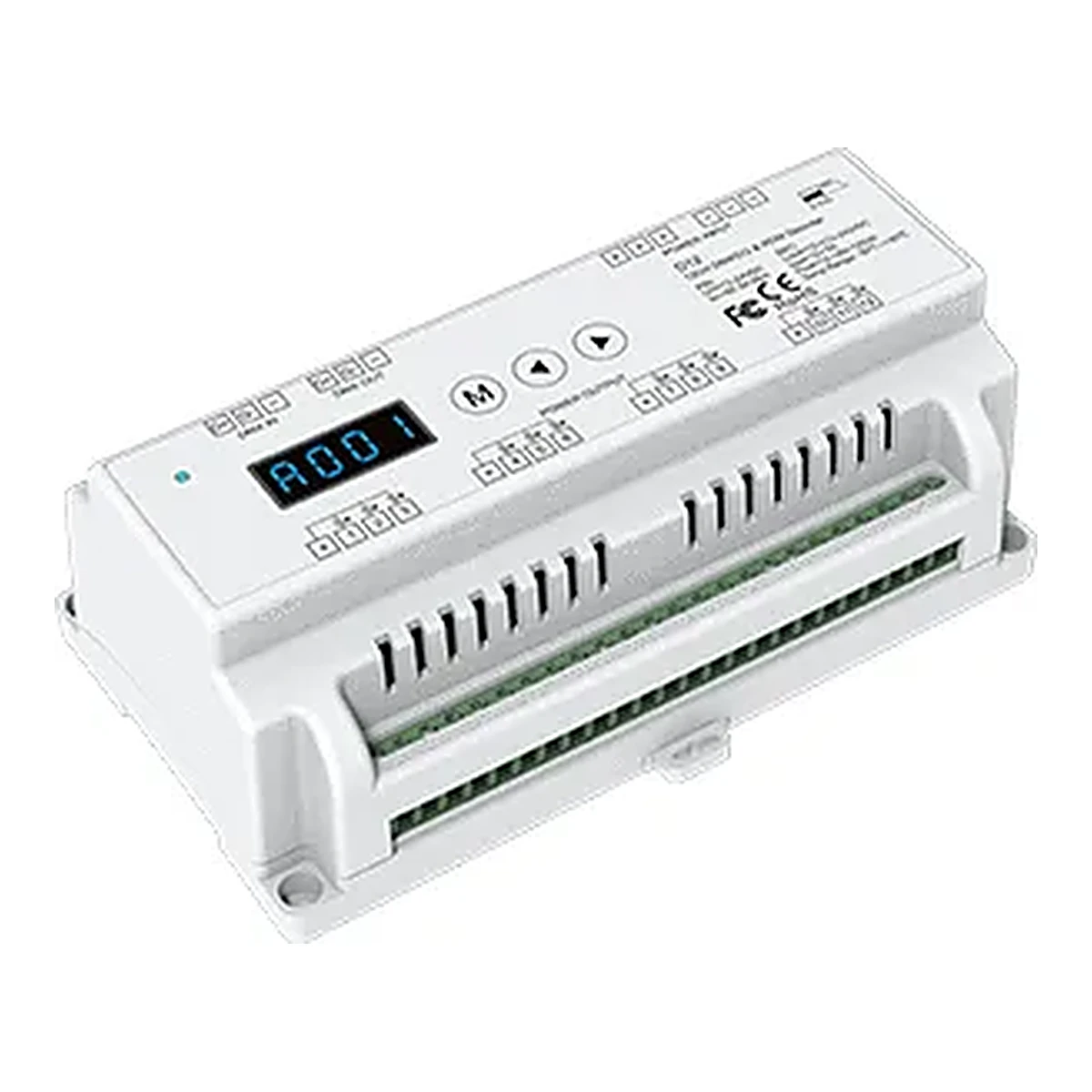
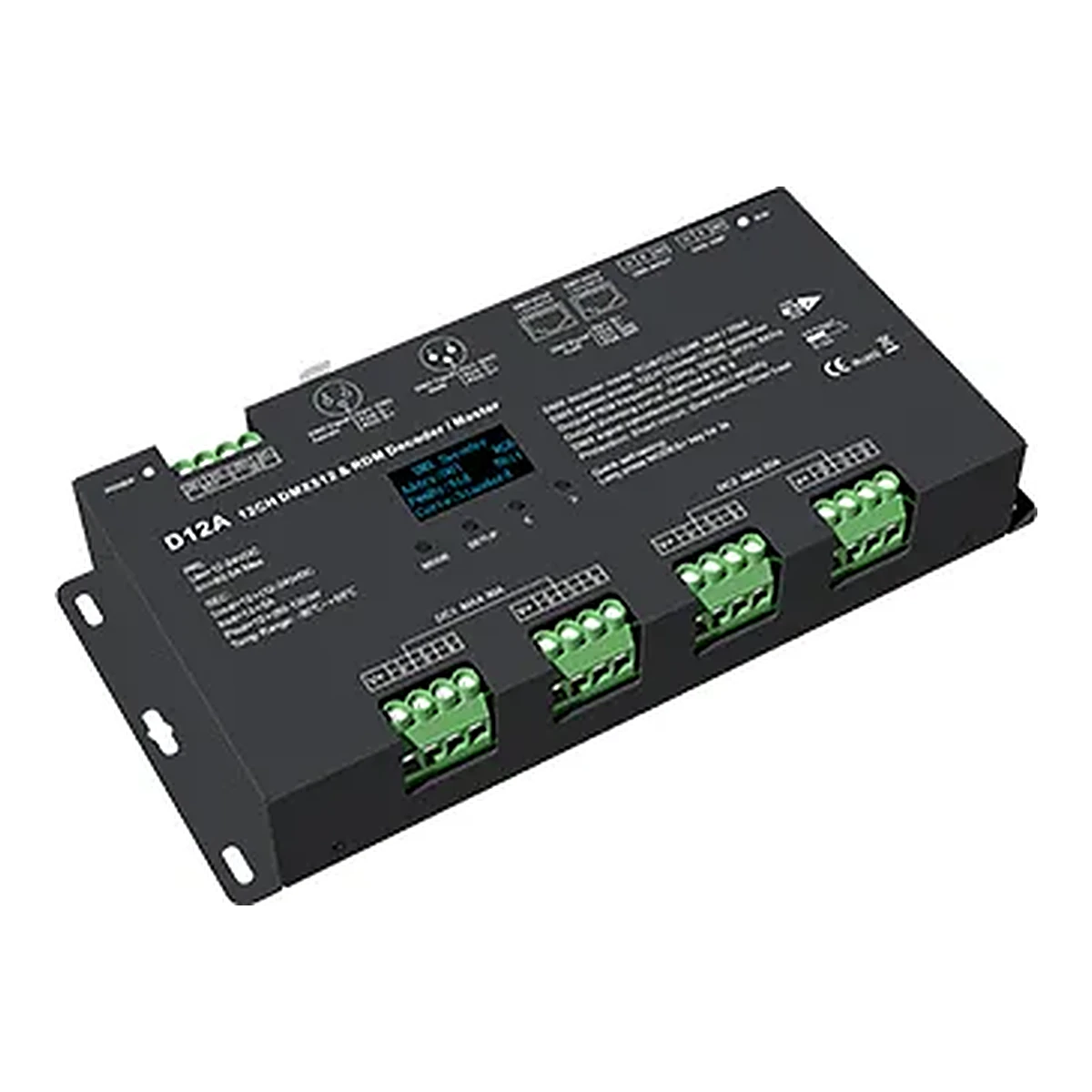
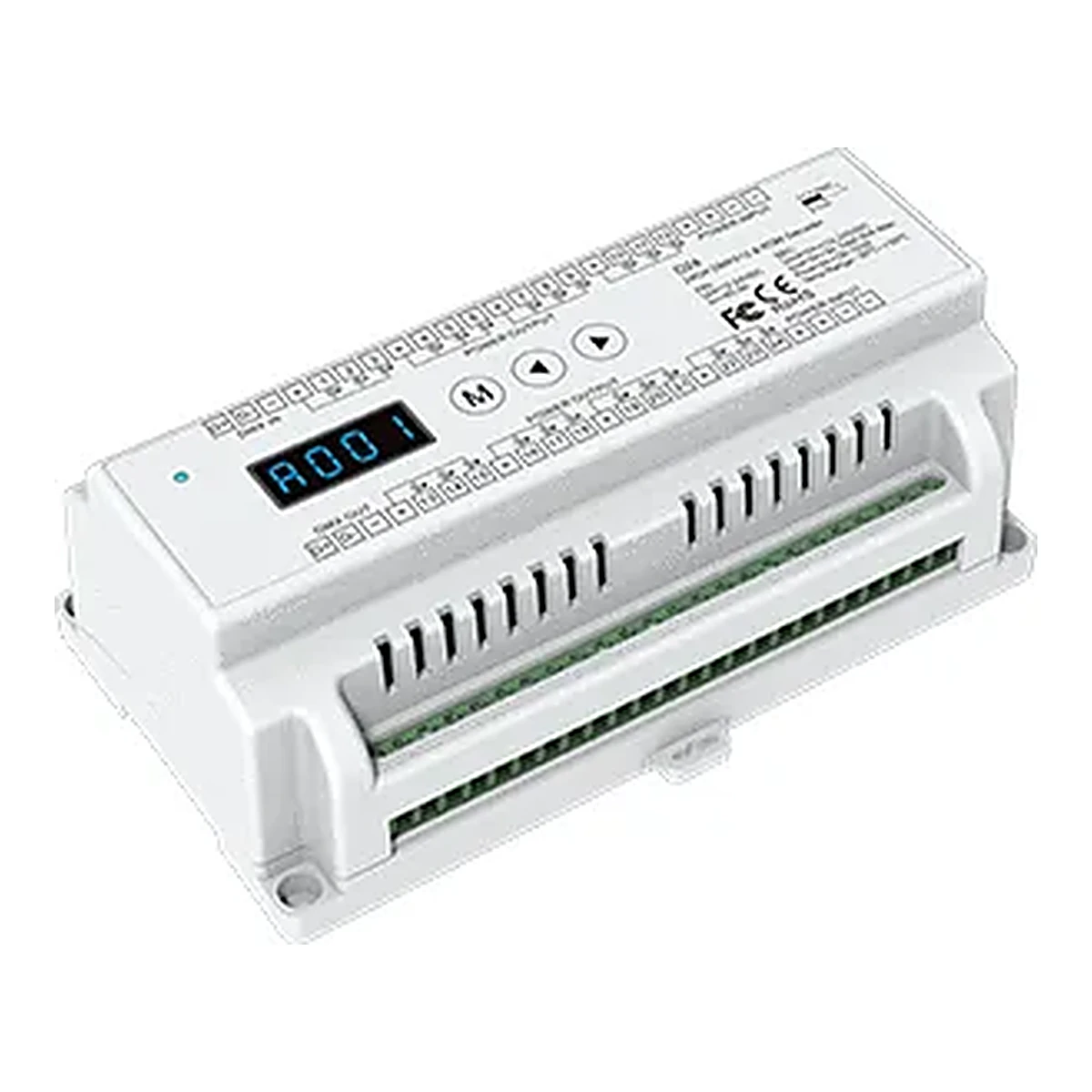
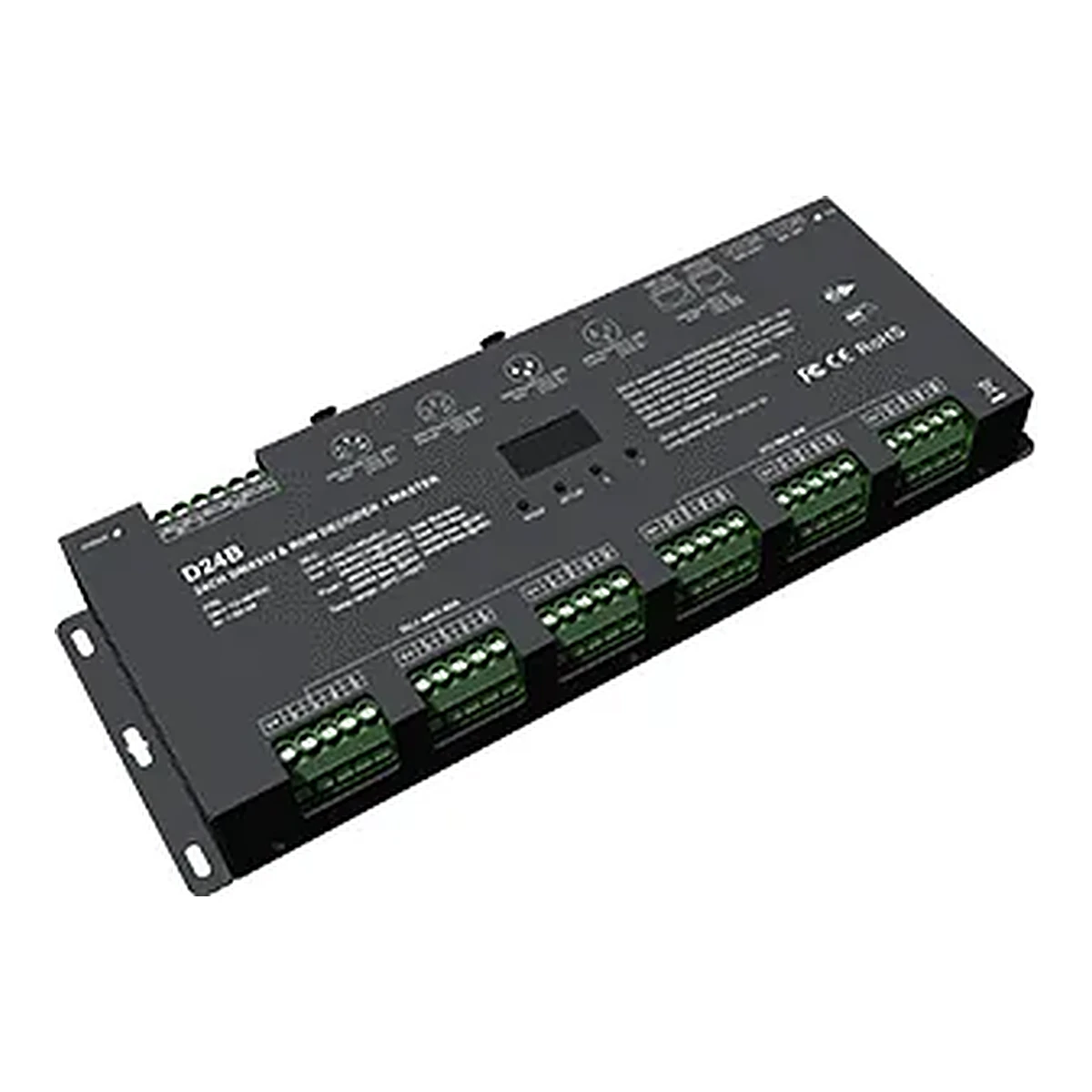
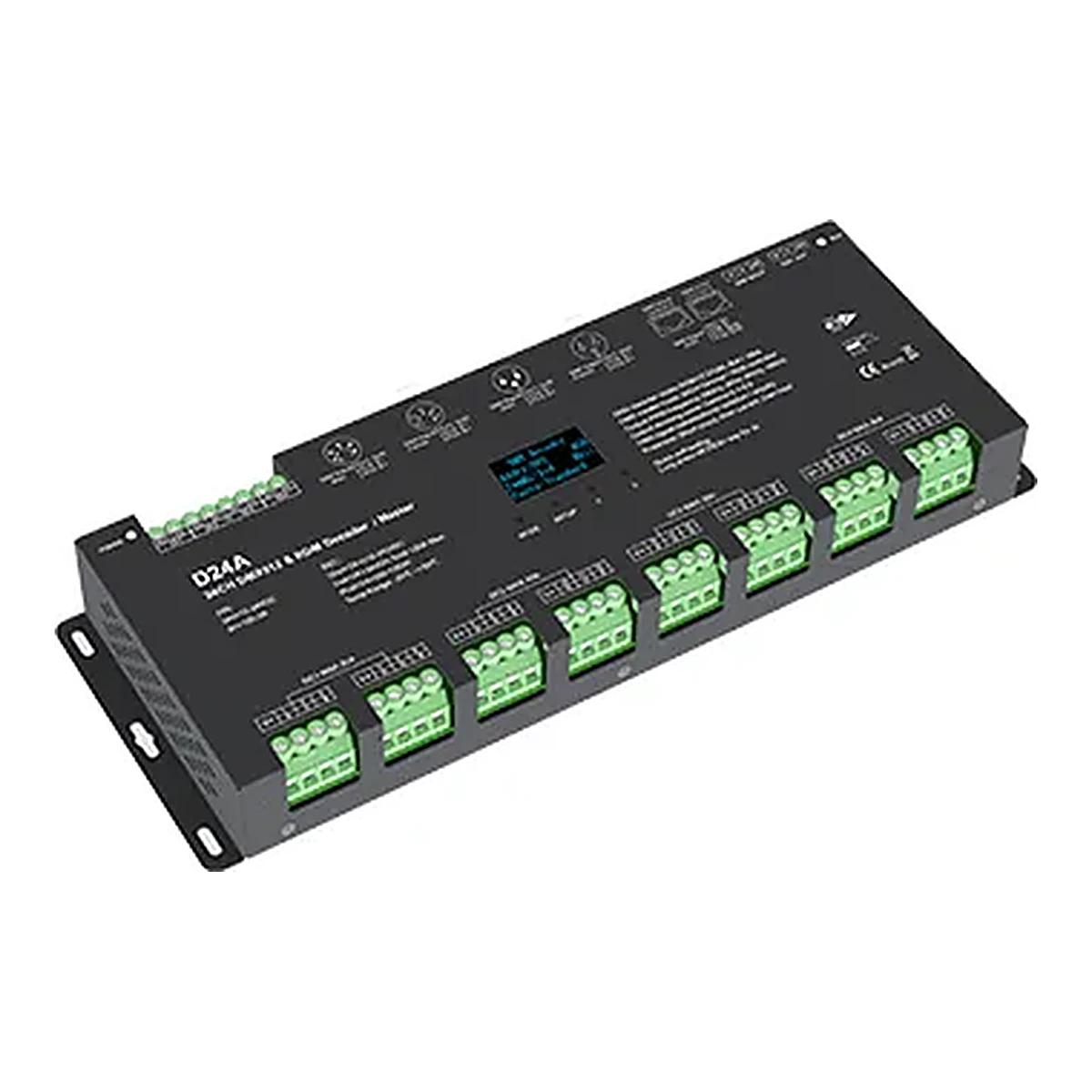
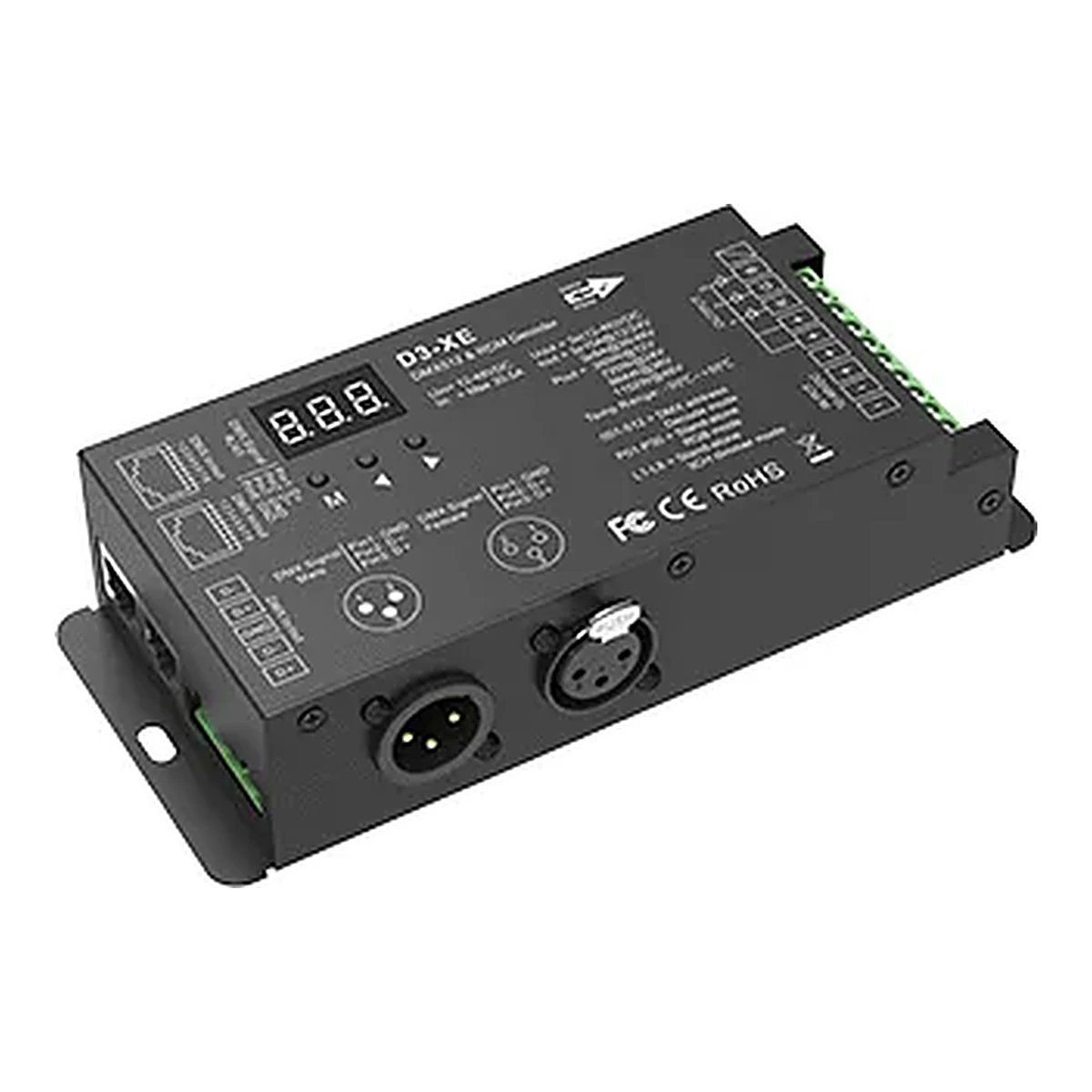
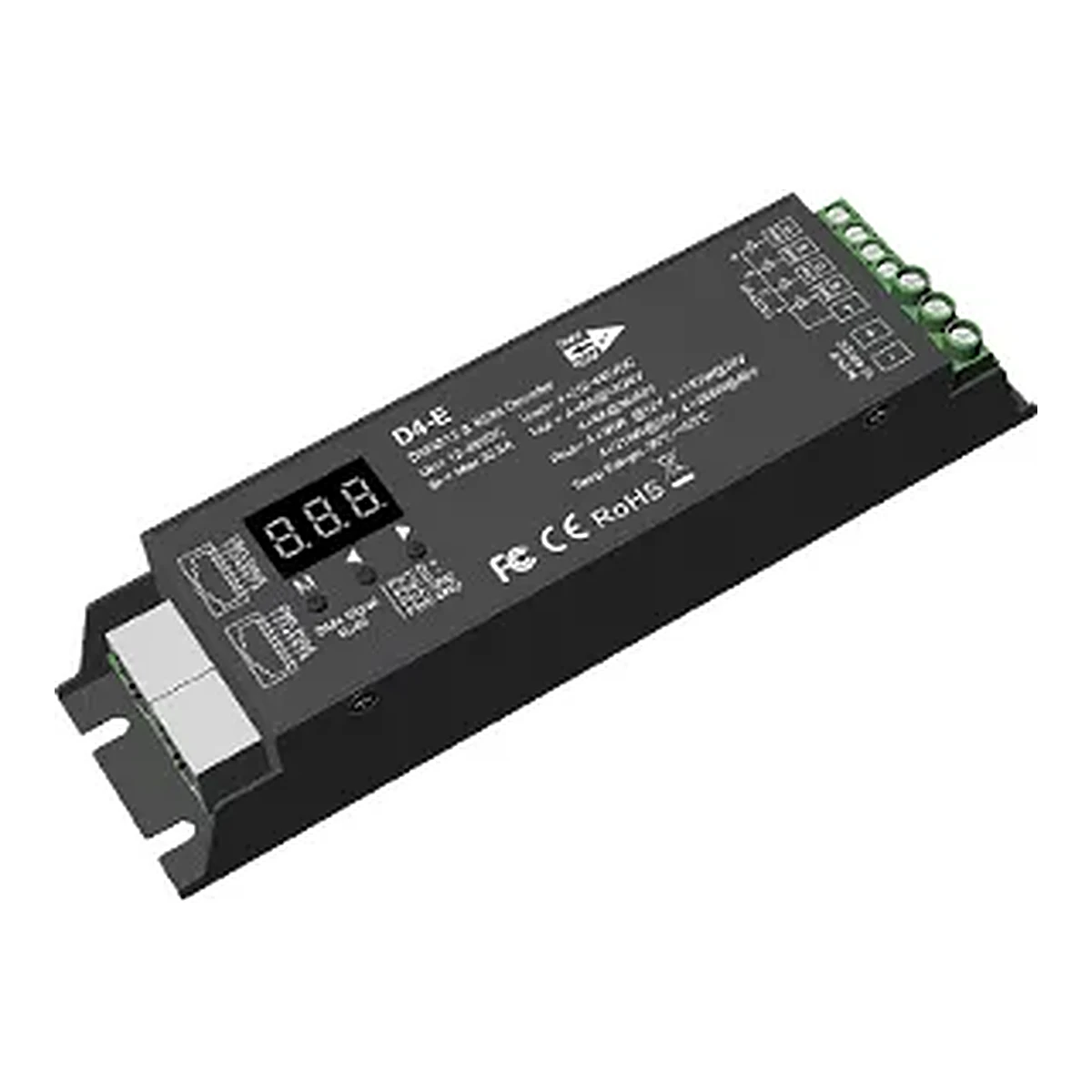
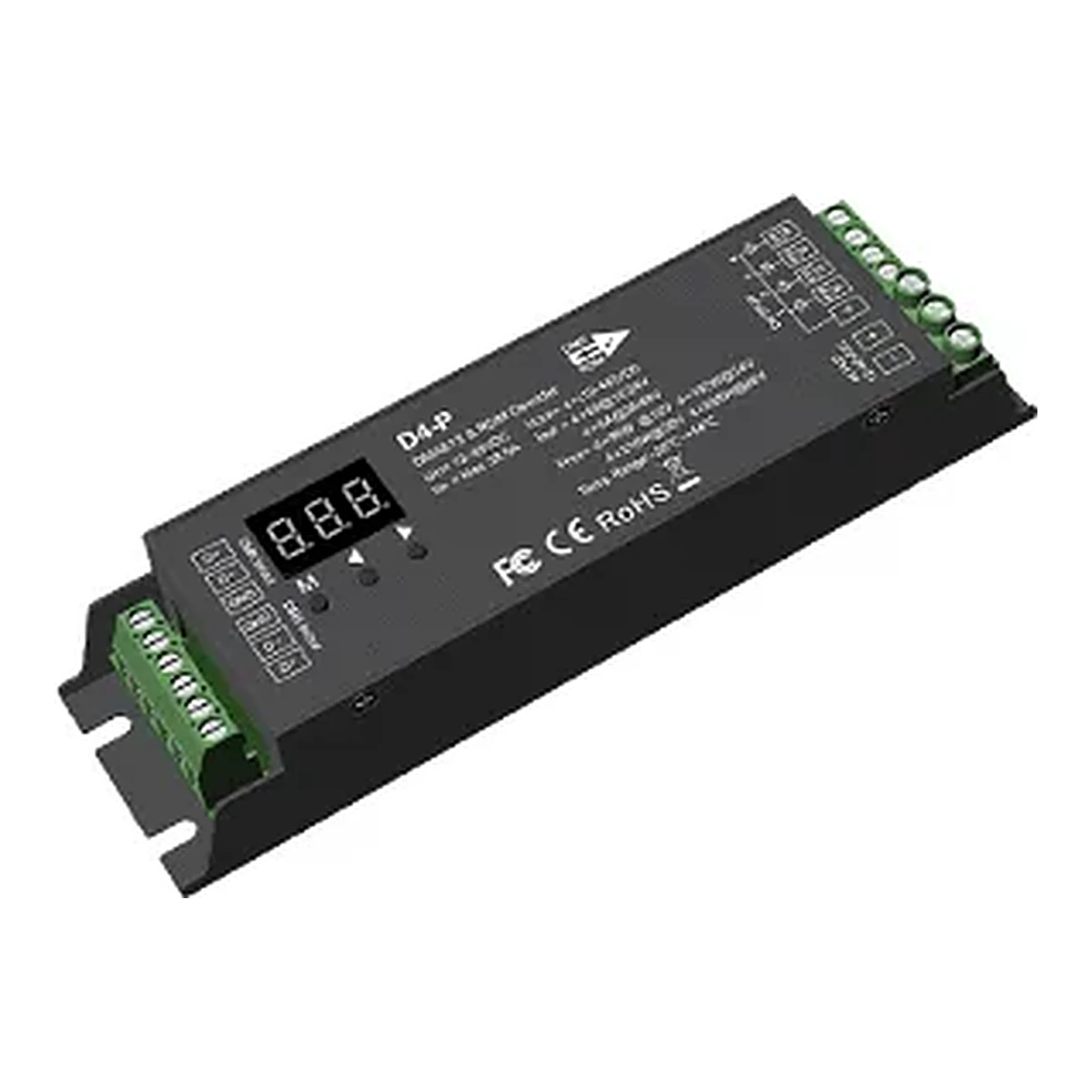
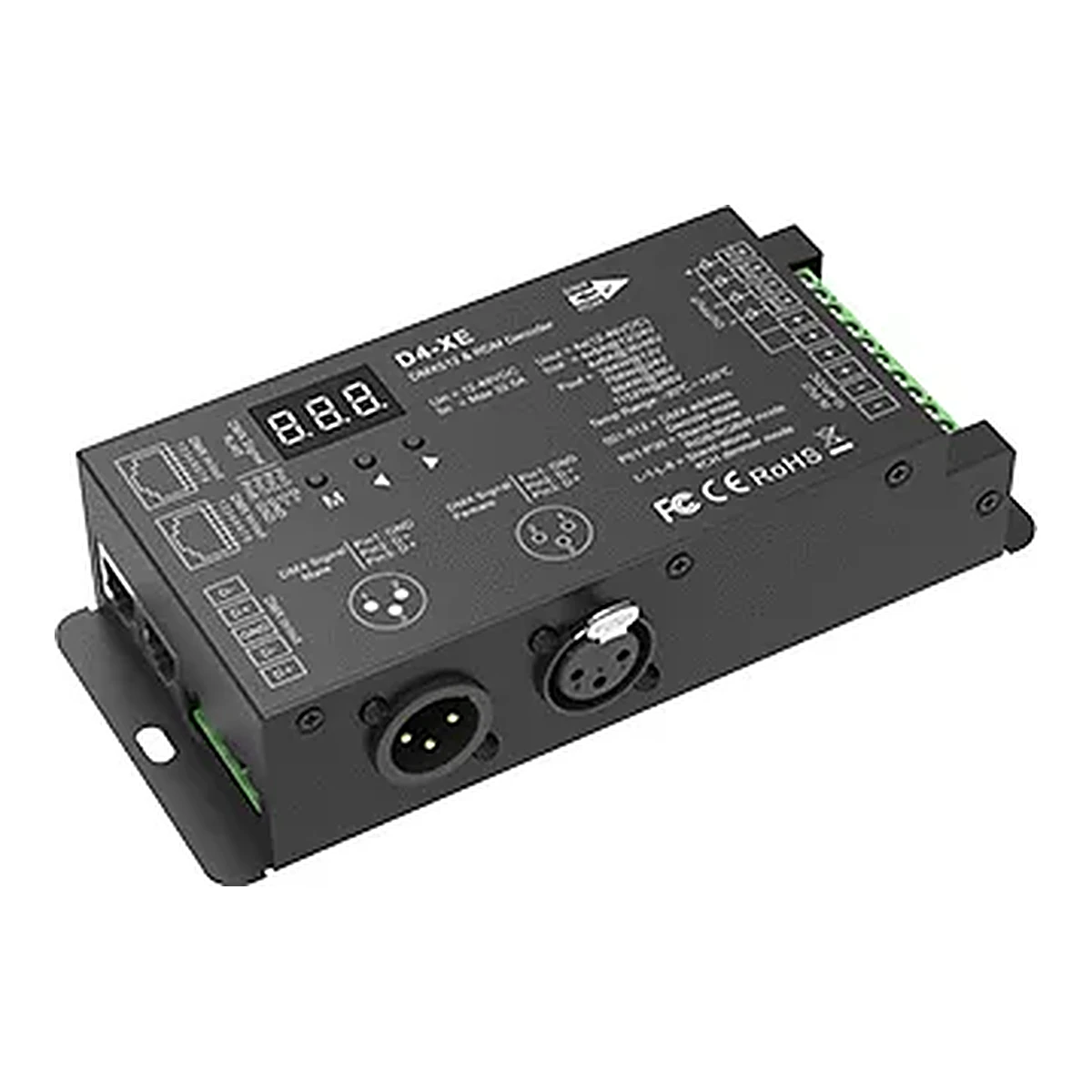
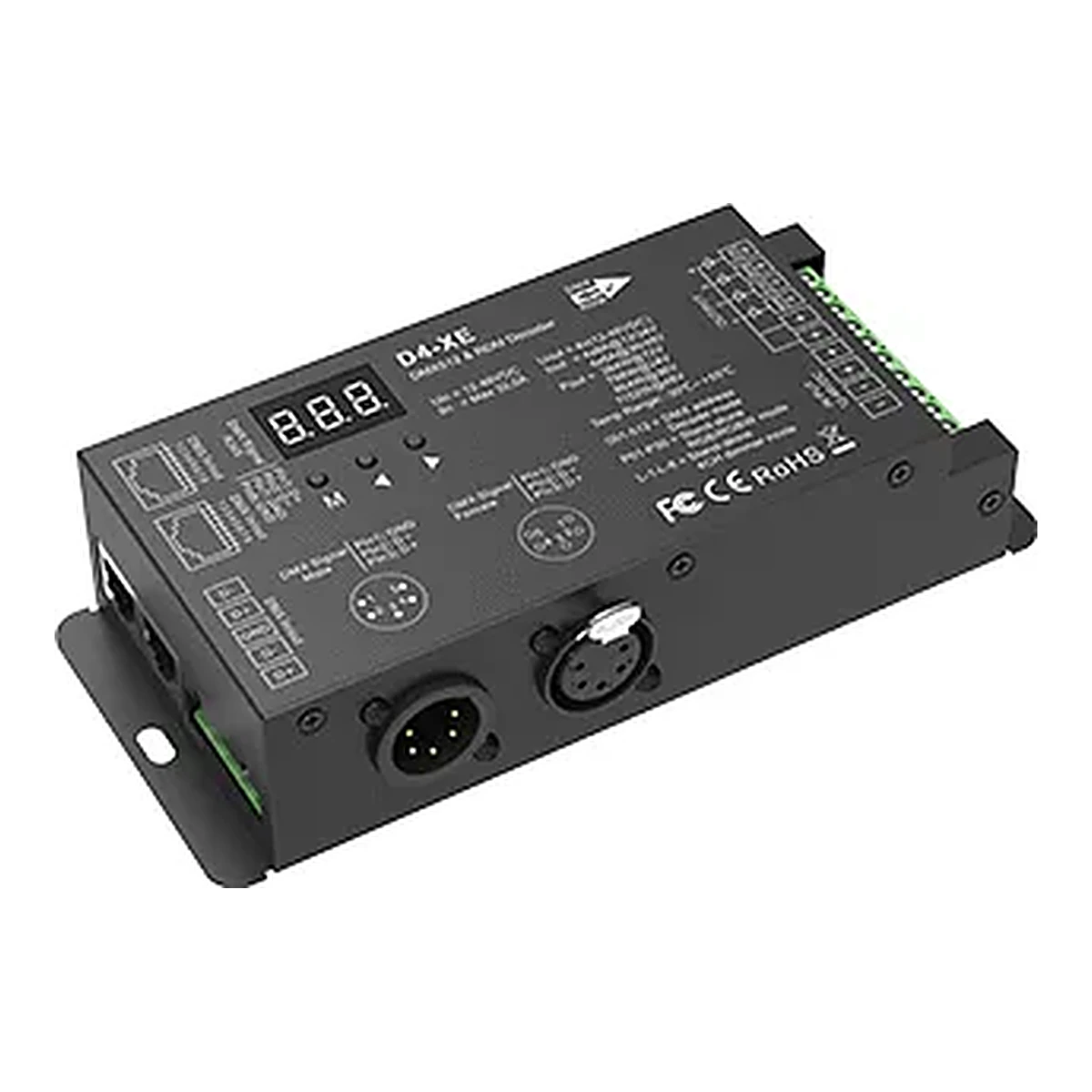
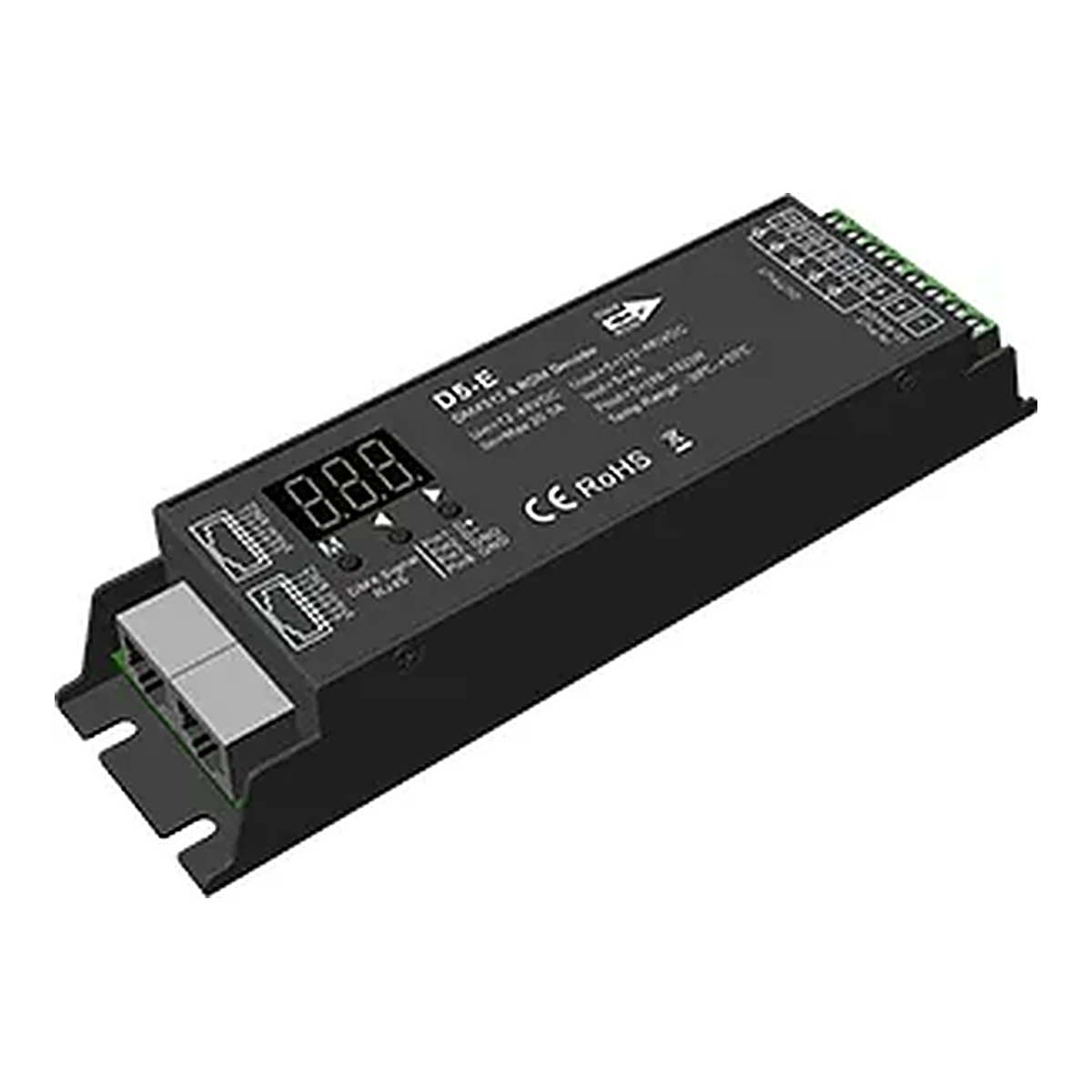
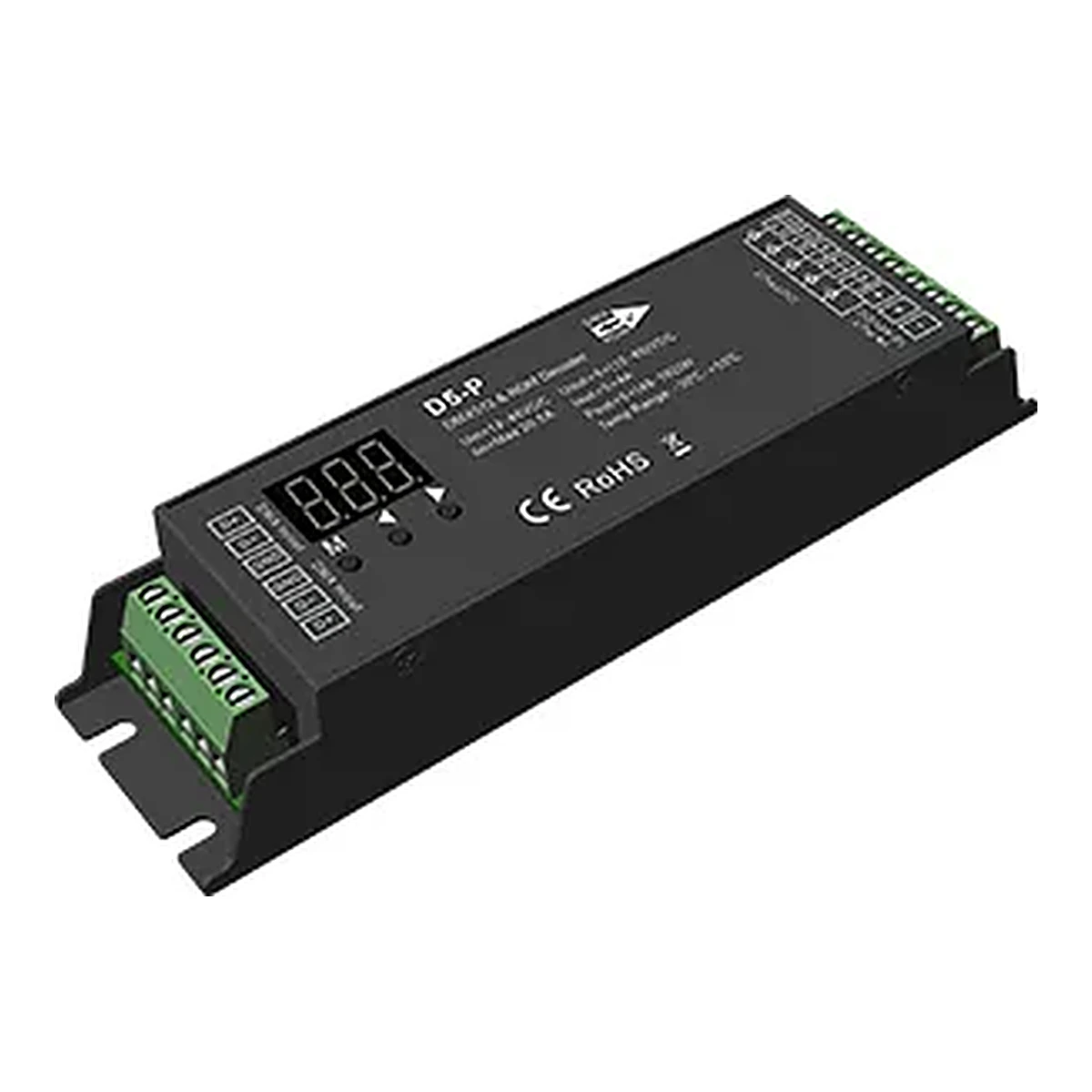
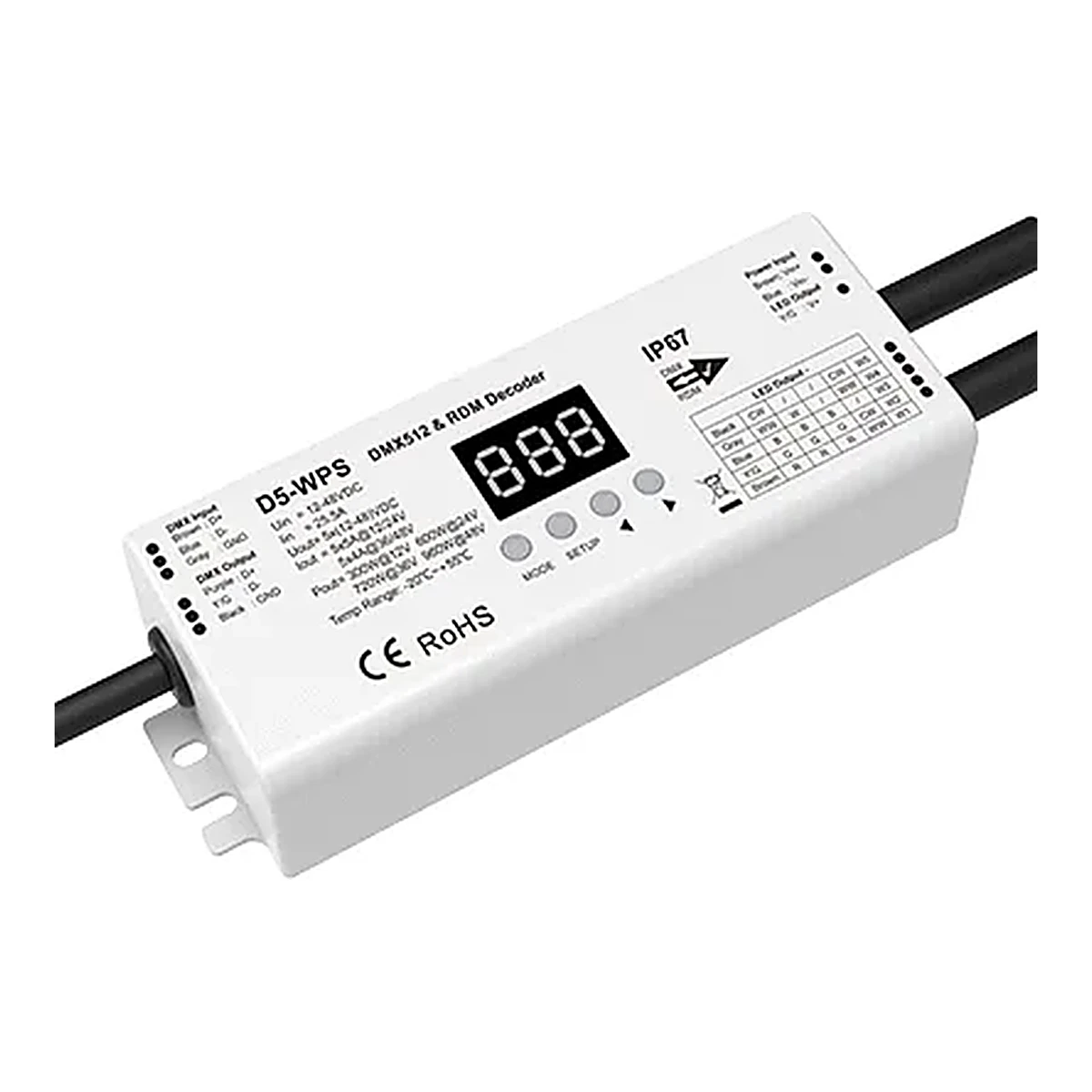
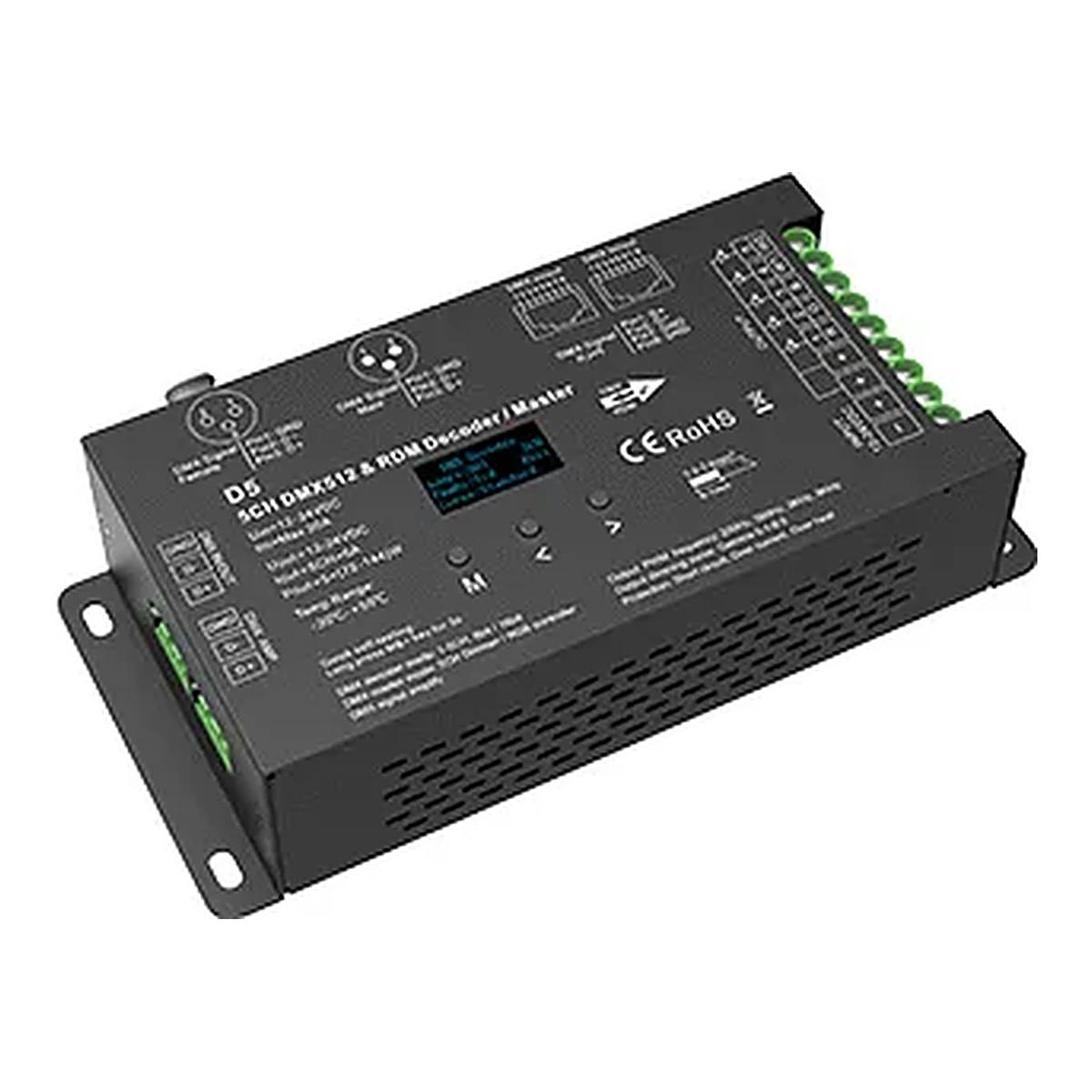
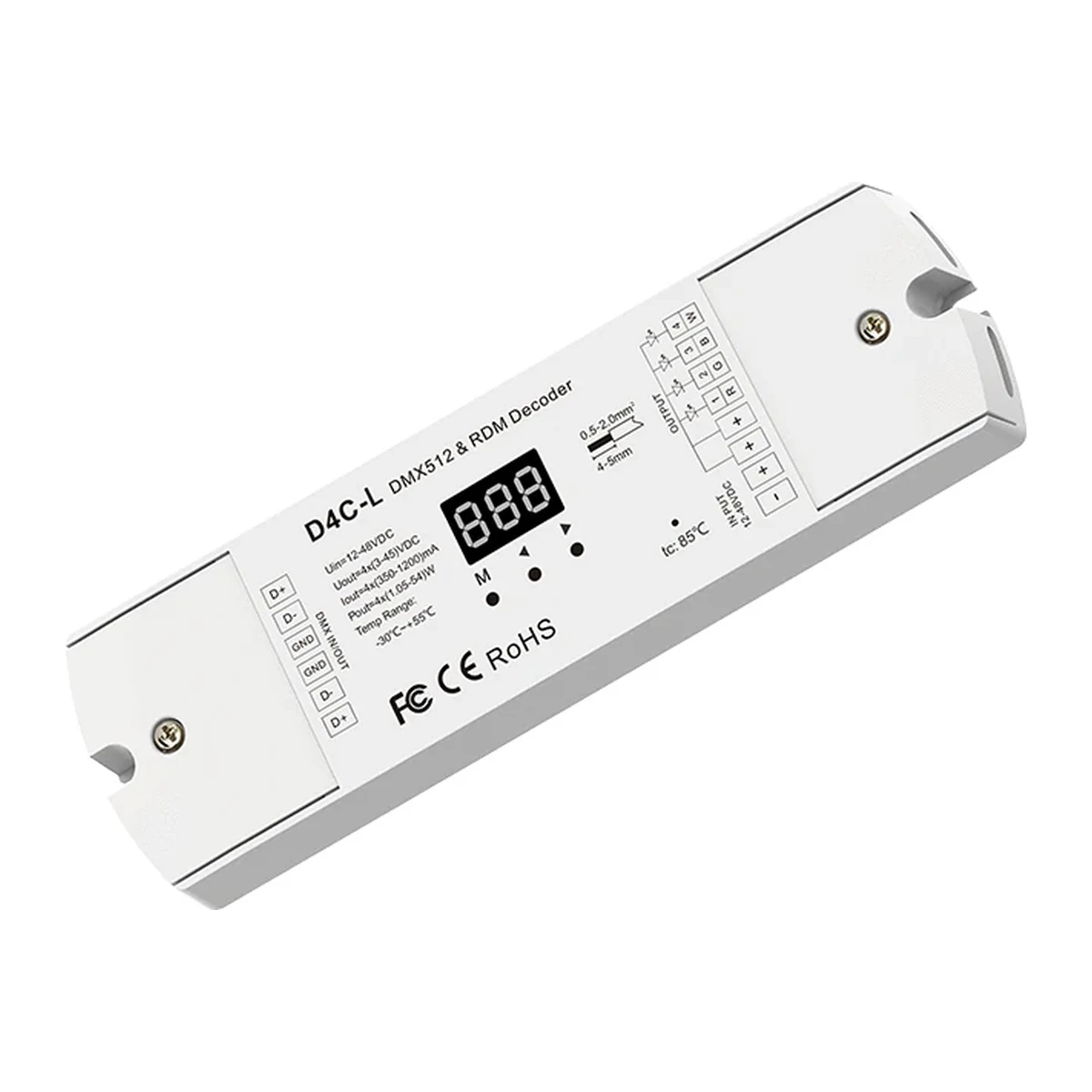
DMX512 Decoders: professional LED lighting control
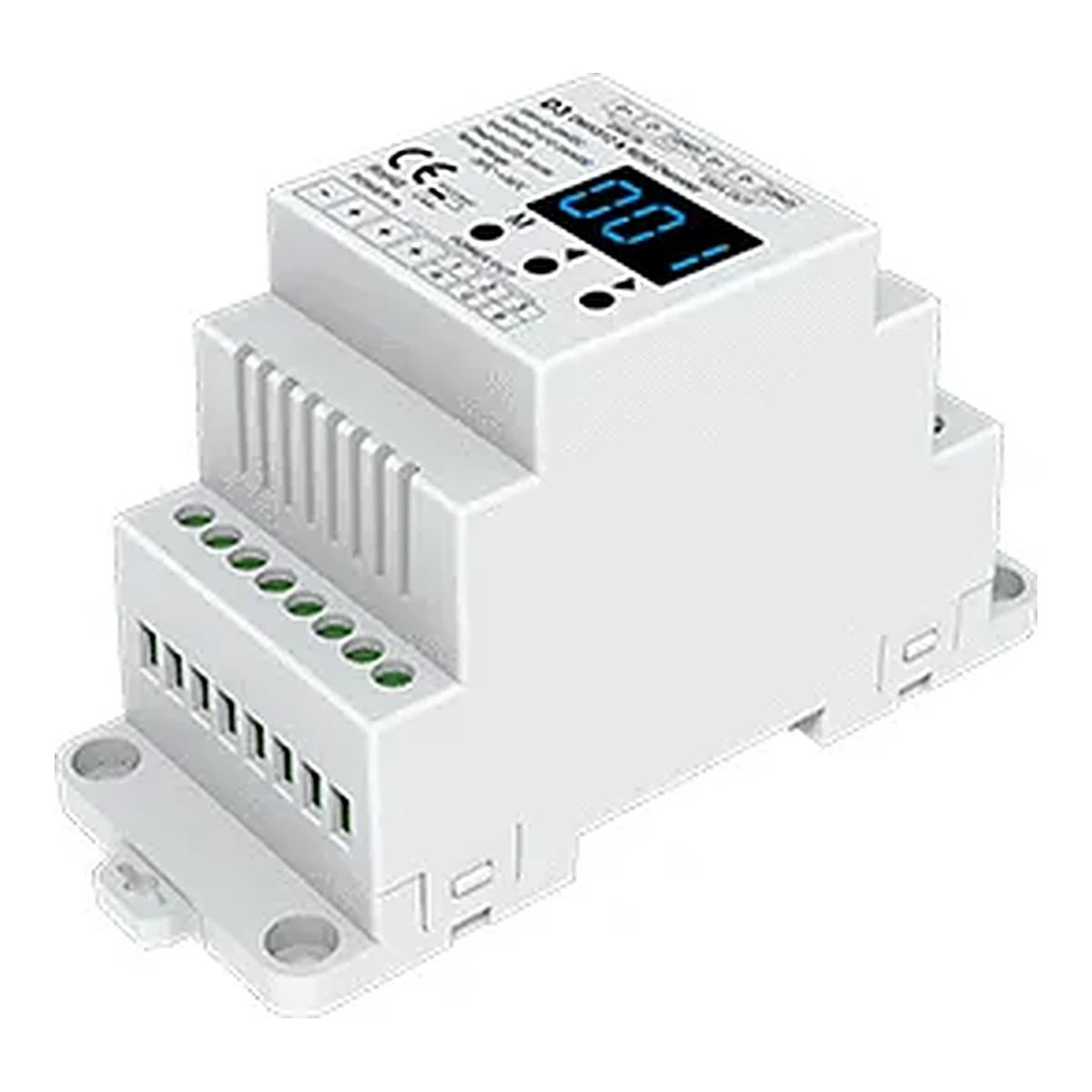
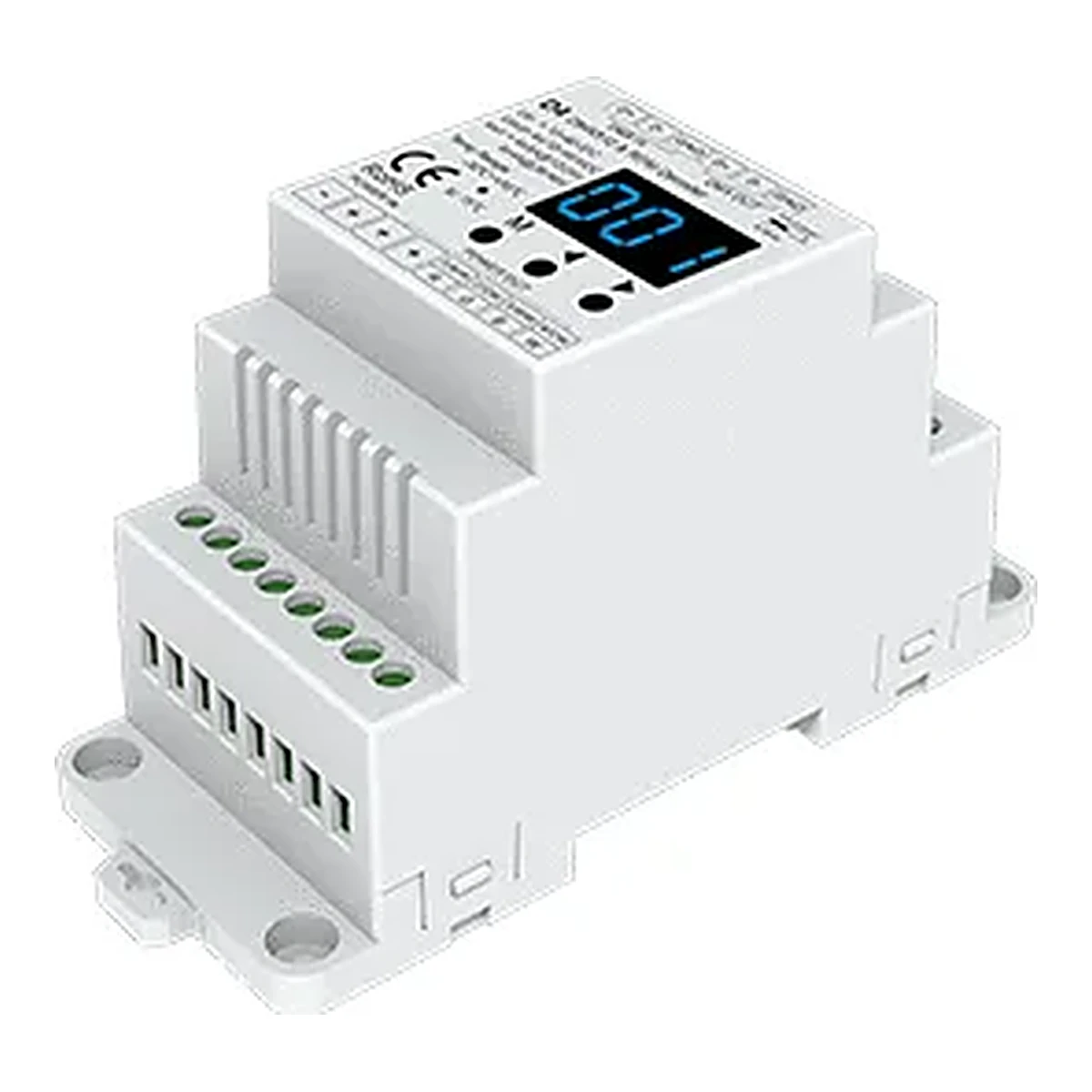
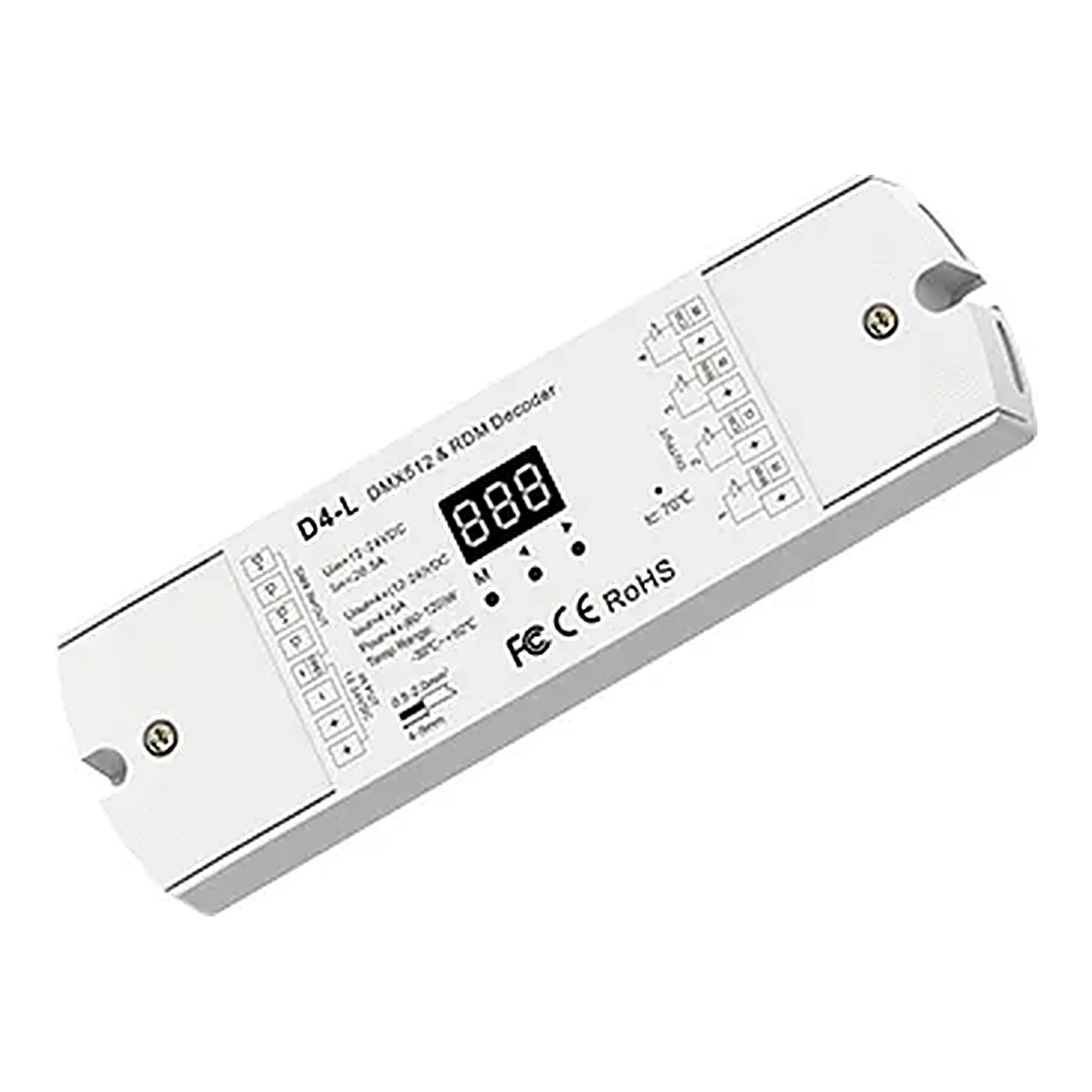
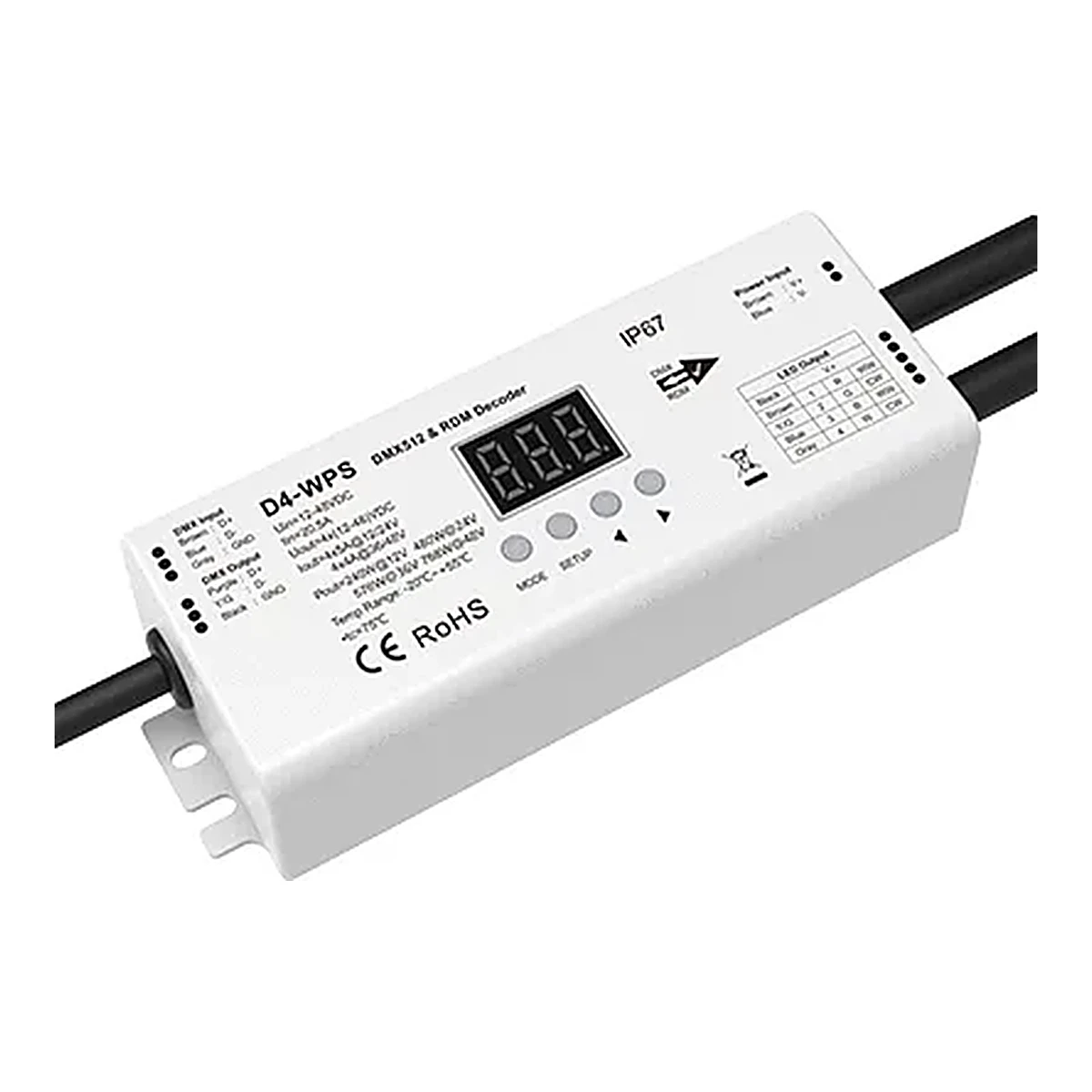
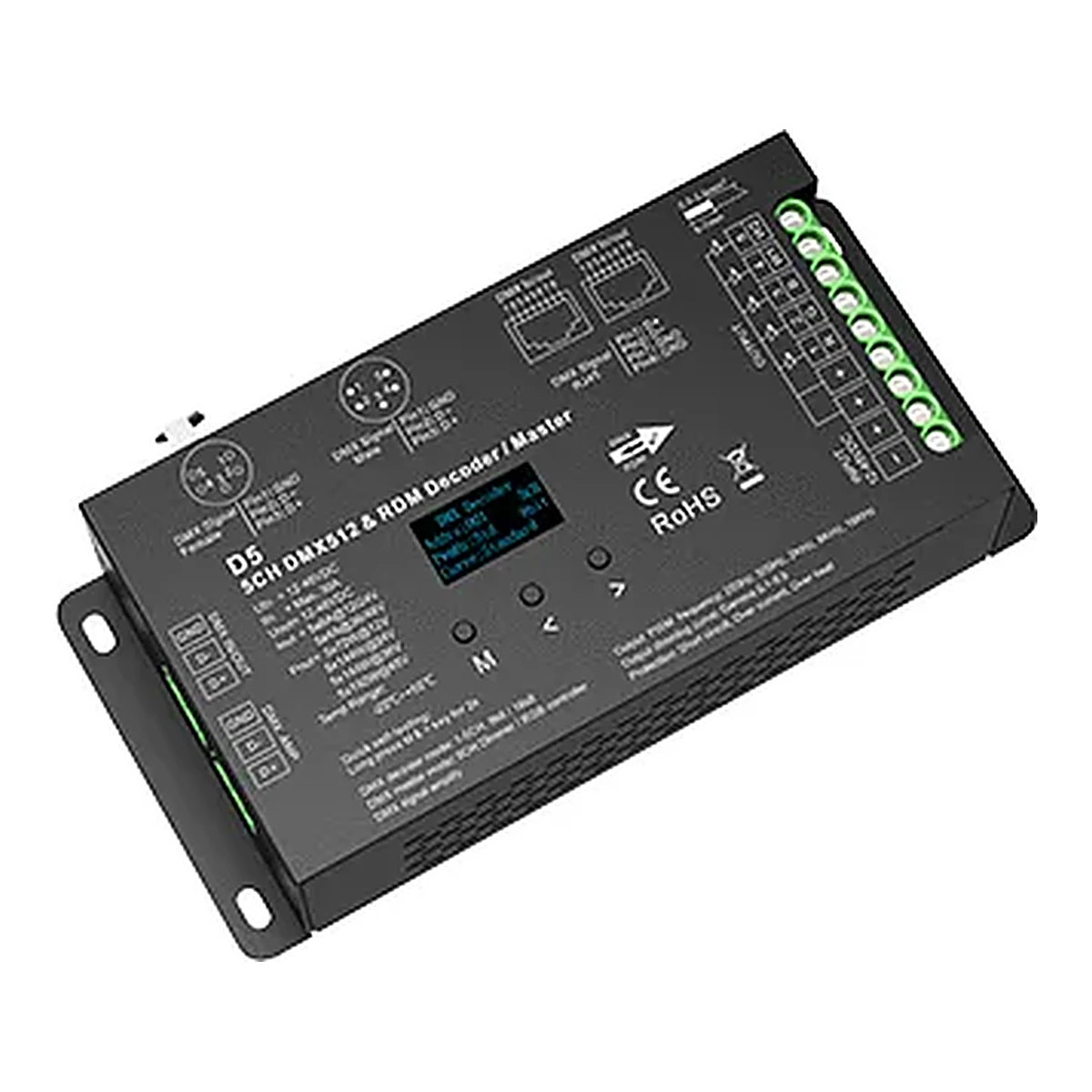
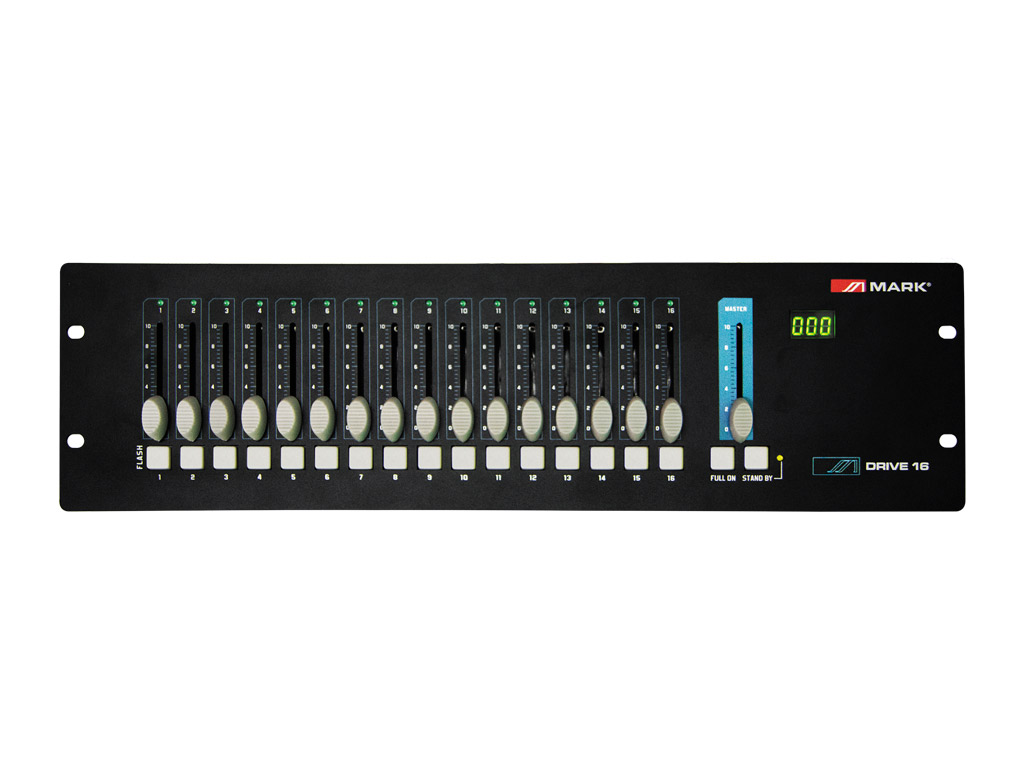
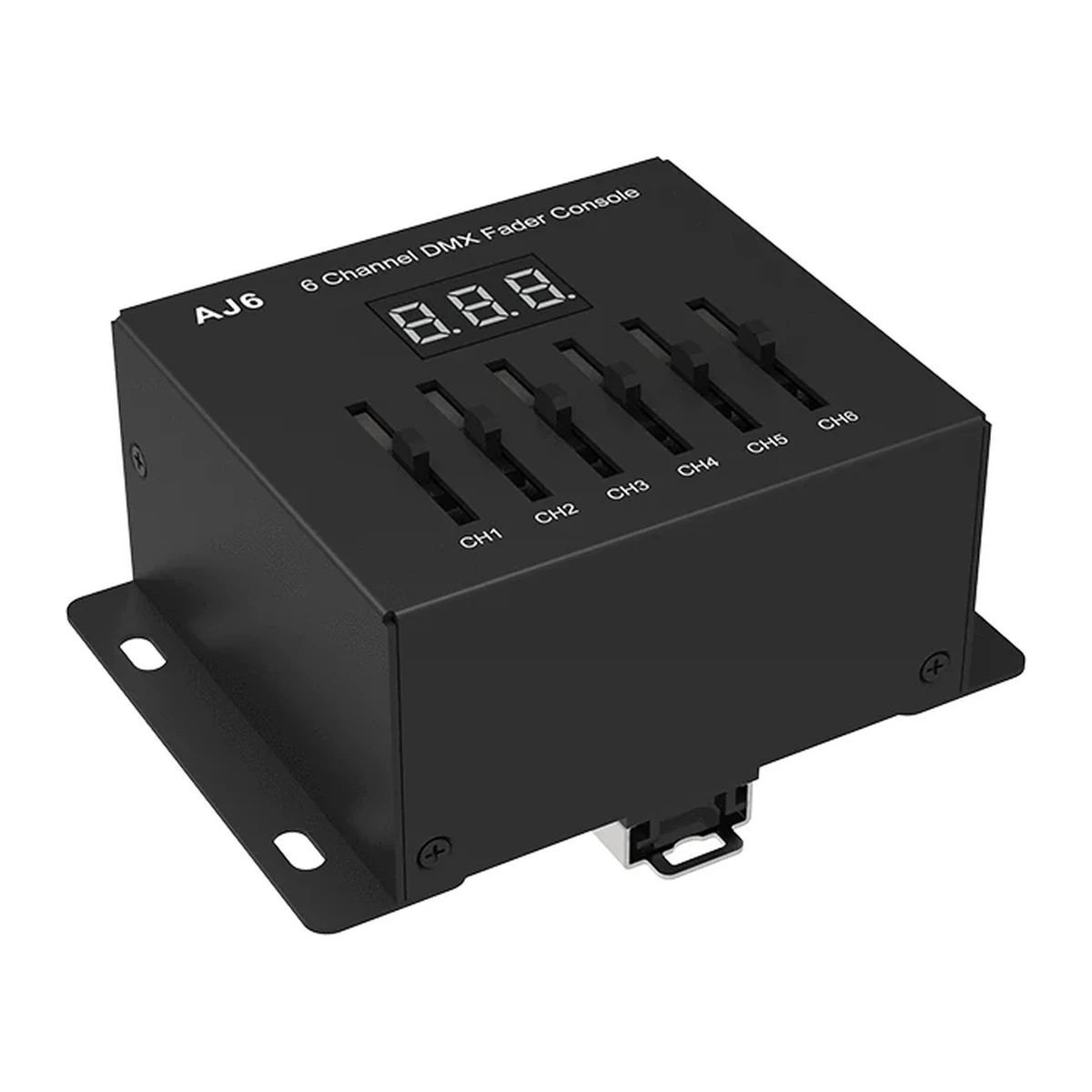
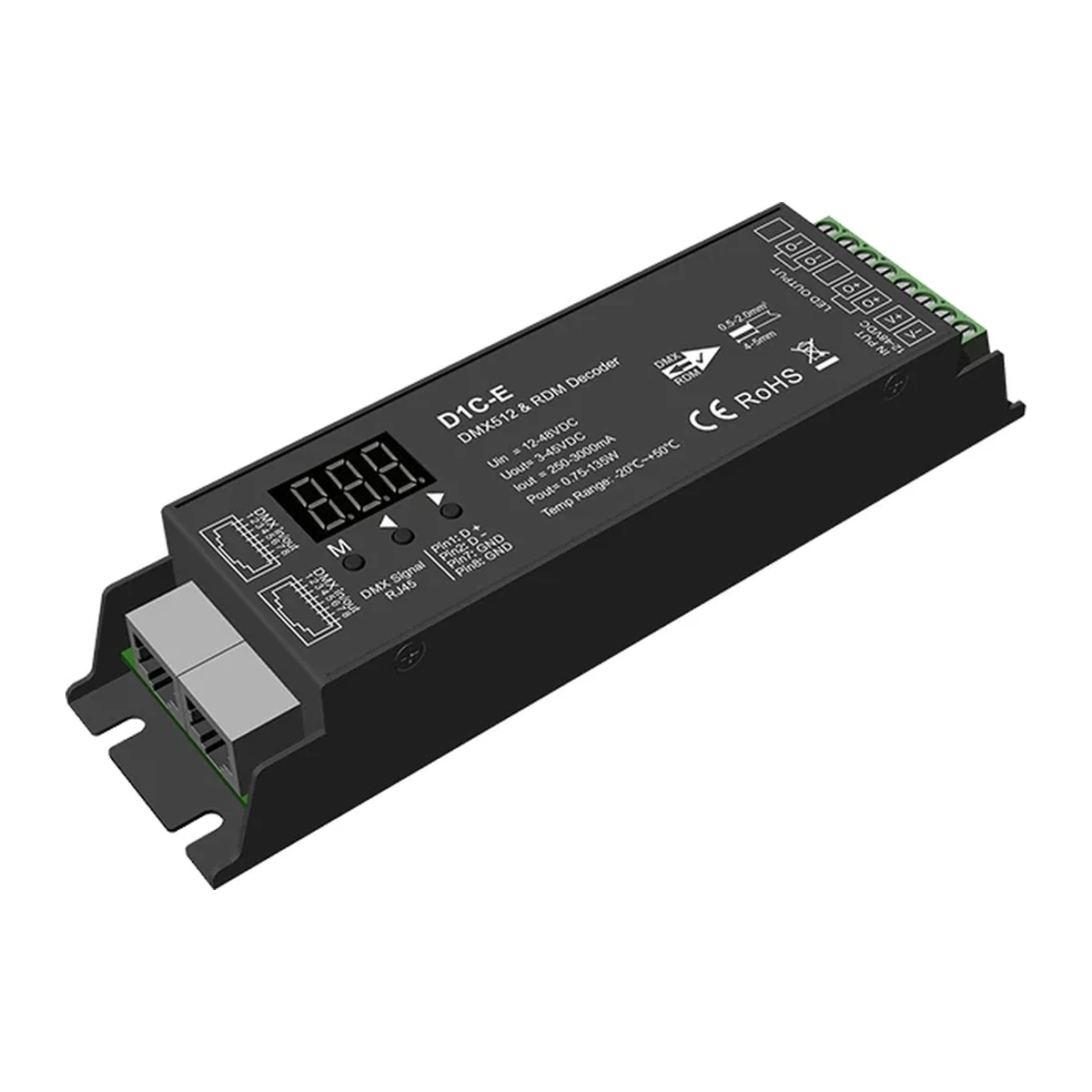
A DMX512 decoder converts the digital DMX512/1990 signal coming from a lighting console or DMX master into constant voltage PWM output, driving LED modules, strips and fixtures. It is the essential link in architectural lighting, stage design, retail, façades and dynamic signage requiring true 0-100% flicker-free dimming.
DMX512, DMX512-A and RDM protocols
All our decoders comply with the international DMX512, DMX512(1990), DMX512-A and RDM V1.0 (E1.20-2006 ESTA) standards. RDM support allows remote addressing and diagnostics straight from the console, with no need to physically reach the fixture.
Channels and fixture types
Choose the channel count to match the LED load: 1 channel for single colour, 2 channels for dual white CCT, 3 channels for RGB, 4 channels for RGBW, 5 channels for RGB+CCT and 12 or 24 channels for large projects centralising several fixtures in a single unit.
Operating voltage and current per channel
The range works at 12-48VDC constant voltage, with 3A to 20A per channel depending on the model. Output power can be expanded without limit using DMX signal amplifiers or power repeaters.
Addressing and protections
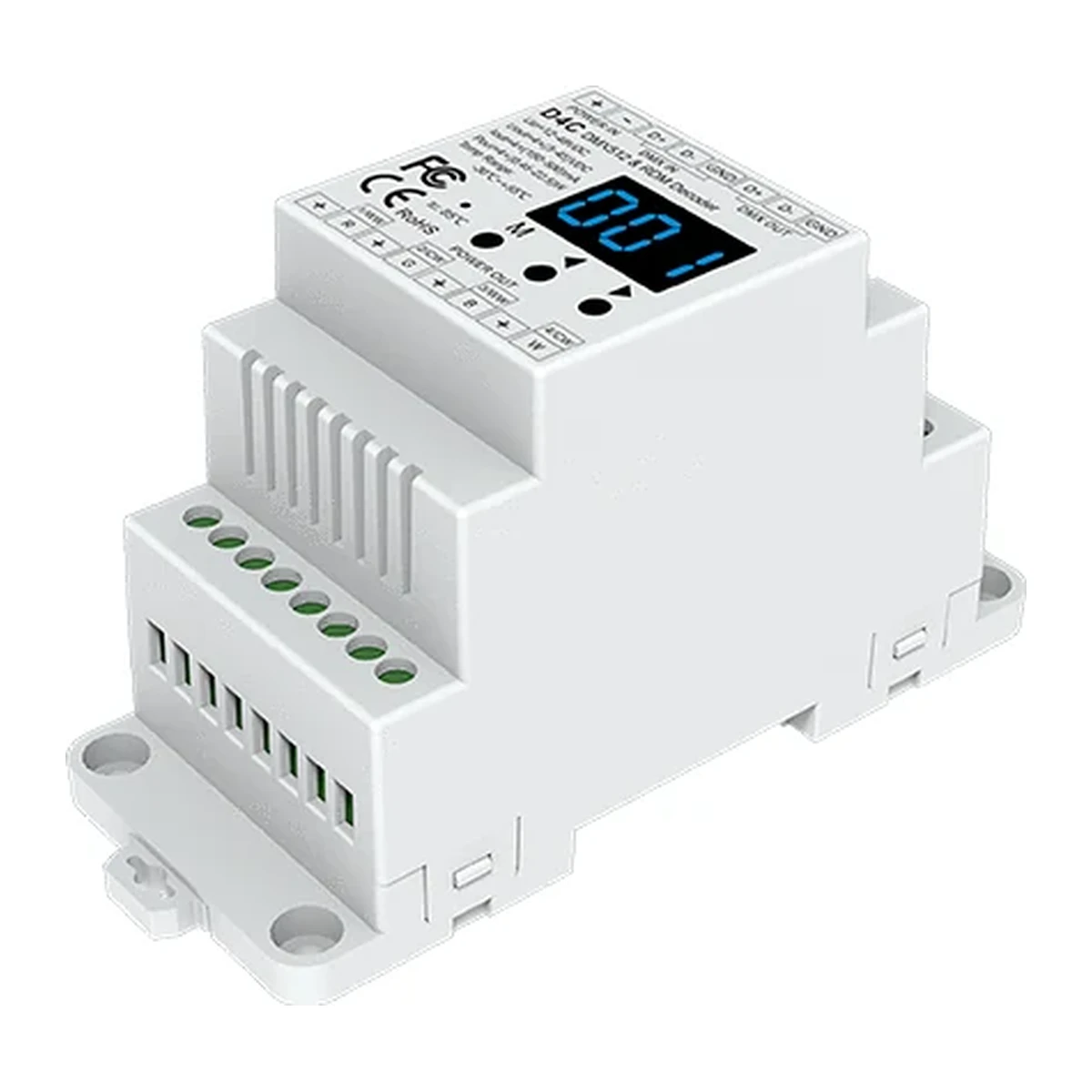
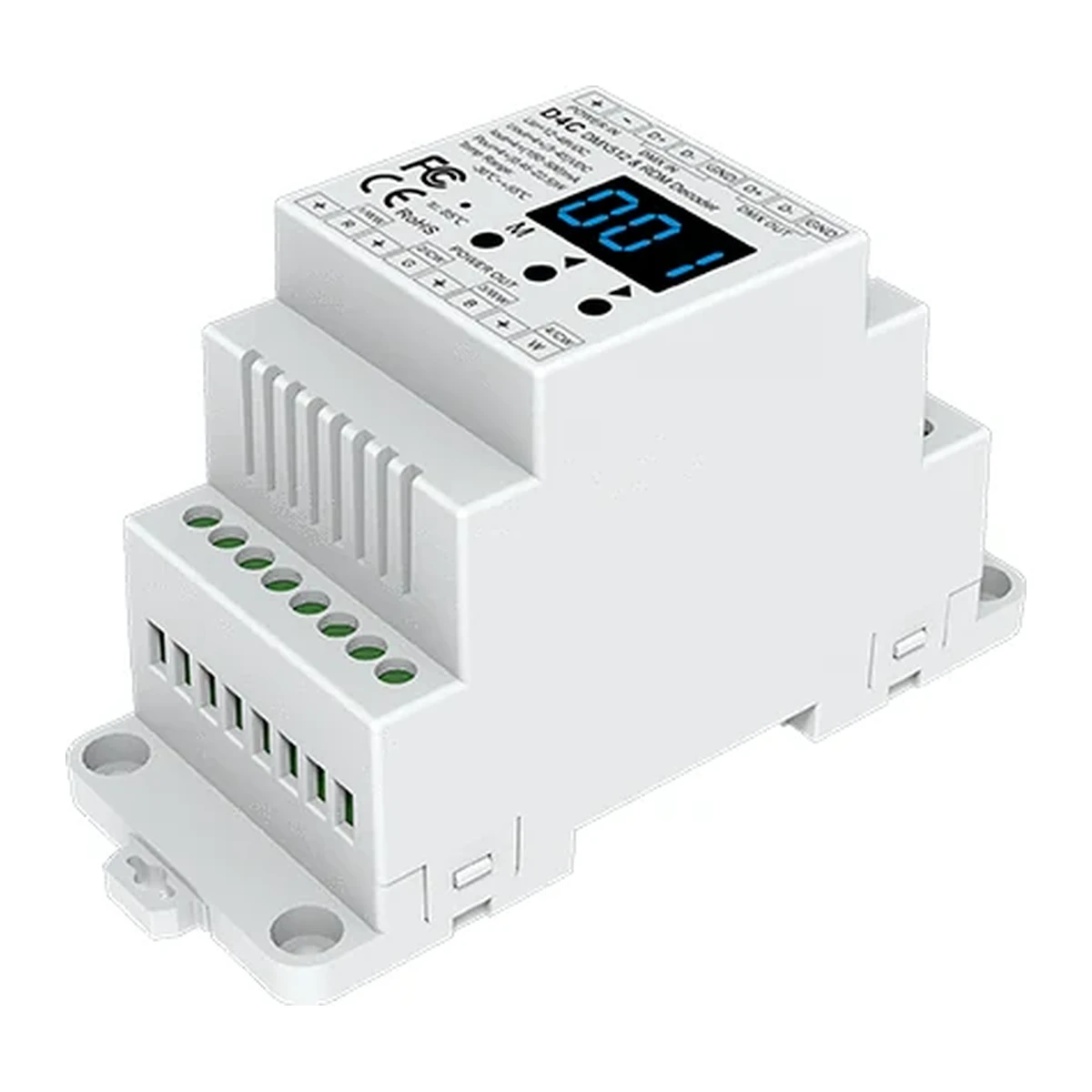
DMX addressing is set through a digital display, OLED screen, 10-way DIP switch or remotely via a DMX512/RDM console. Units include over-heat, over-load, short circuit and reverse polarity protection.
Frequently asked questions
What is the difference between a constant voltage and a constant current DMX decoder?
Constant voltage (CV) drives strips, modules and LED neon running at a fixed 12V, 24V or 48V. Constant current (CC) is used with fixtures requiring a fixed current in milliamps, such as downlights or power floodlights.
How many channels do I need for an RGBW strip?
Four: red, green, blue and white. If the strip also has independent warm and cool white (RGB+CCT), you will need a five channel decoder.
Can I chain several decoders on the same DMX line?
Yes. A DMX segment supports up to 32 devices in daisy chain. For larger installations or long runs, add a DMX512 signal amplifier to regenerate the signal.
Do I need a termination resistor?
A 120 ohm resistor at the end of the DMX line is recommended to avoid signal reflections and flicker, especially on runs longer than 30 metres.