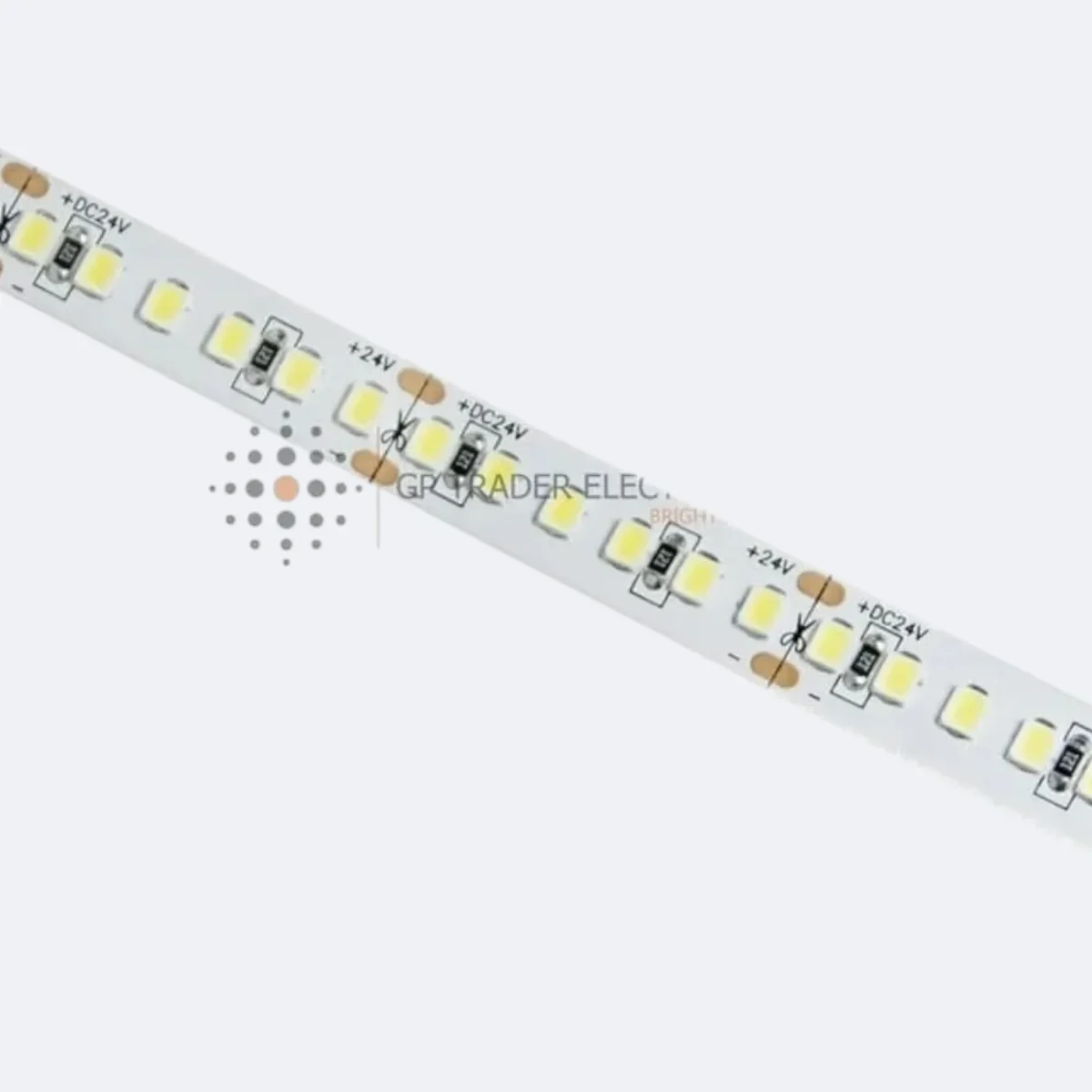
High brightness LED Strip 180 LEDs IP20 18.5W/mt consumption
Finding the perfect high brightness LED strip for your project can be an overwhelming task. With so many options on the market, it is essential to make the right decision to ensure you get the appropriate lighting to decorate and highlight your environment.
In this comprehensive guide, we will provide you with all the information you need to know to choose the perfect high brightness LED strip. We will explore the different options and key features to consider, so you can make an informed and accurate decision.
We will investigate technical specifications such as brightness, color temperature, durability, and energy efficiency. We will also discuss the different types of applications and where you can use high brightness LED strips to achieve the desired effect.
Additionally, we will give you tips and recommendations for installing and maintaining your high brightness LED strips, so you can ensure they function optimally for many years.
So get ready to discover the ultimate guide to choosing the perfect high brightness LED strip for your space.
Factors to consider when selecting a high brightness LED strip
When it comes to selecting a high brightness LED strip, there are several important factors you should consider. These factors will help you make the right decision and ensure you get the desired result in your space.
1. Brightness: Brightness is one of the most important factors to consider when choosing a high brightness LED strip. Brightness is measured in lumens and determines the intensity of the light emitted by the LED strip. If you are looking for bright and striking lighting, be sure to choose an LED strip with a high level of brightness.
2. Color temperature: The color temperature of an LED strip determines the light tone it emits. There are different color temperatures, ranging from warm (yellowish tones) to cool (bluish tones). You should consider the ambiance and atmosphere you want to create in your space to choose the appropriate color temperature.
3. Durability: It is important that the high brightness LED strip you choose is durable and resistant. You must ensure that it is made with quality materials that can withstand daily use and resist adverse conditions if you will be using it outdoors.
4. Energy efficiency: Opting for an energy-efficient high brightness LED strip will allow you to save on electricity costs in the long run. Look for LED strips that have high luminous efficiency and consume less energy.
Different types of high brightness LED strips available on the market
The market offers a wide variety of options when it comes to high brightness LED strips. Each type of LED strip has specific characteristics that make them suitable for different applications. Below, we will explore some of the most common types of high brightness LED strips.
1. Monochromatic LED strips: These LED strips emit light in a single color, such as cool white, warm white, or specific color tones. They are ideal for applications where constant lighting without color changes is required.
2. RGB LED strips: RGB LED strips are capable of emitting a wide range of colors by combining red, green, and blue lights in different proportions. They are perfect for creating dynamic and changing lighting effects.
3. Addressable LED strips: These LED strips allow individual control of each LED, which means you can create custom lighting patterns and animation effects. They are ideal for more advanced and creative lighting projects.
4. High-density LED strips: High-density LED strips have a greater number of LEDs per meter, making them ideal for applications where more intense and uniform lighting is required. In our case, we have the 180 LEDs/mt LED strip with high intensity 2835 diodes.
5.- High brightness LED strips with lower LED diode density: If we are looking for a high brightness LED strip, but want to reduce costs, we can choose the 120LEDs/mt LED strip
Comparison of brightness levels of various LED strips
When it comes to brightness, not all high brightness LED strips are created equal. Some LED strips can emit more light than others, which can make a difference in the visual effect you want to achieve in your space.
1. 2835 Diodes: LED strips assembled with 2835 diodes are the most suitable. This type of diode has very high luminous performance per Watt. This LED strip has a maximum brightness level of 1000 lumens per meter. It is ideal for applications where bright and striking lighting is required.
2. 5050 Diodes: With a maximum brightness level of 800 lumens per meter, this LED strip offers a slightly less bright option but still suitable for most applications.
3. 3014 Diodes: This LED strip has a maximum brightness level of 600 lumens per meter. It is ideal for applications where softer and more subtle lighting is desired. It can also be assembled into 5mm wide LED strips.
It is important to note that the brightness level can also vary depending on the length of the LED strip. In general, longer LED strips tend to have a slightly lower brightness level compared to shorter strips.
Choosing the right color temperature for your space
The color temperature of a high brightness LED strip is a key factor to consider, as it will affect the ambiance and atmosphere you want to create in your space. Below, we will explore the different color temperatures and their recommended applications.
1. Cool white: With a color temperature of around 6000-6500 Kelvin, cool white emits a bright and crisp white light. It is ideal for spaces where clear and energizing lighting is required, such as kitchens, fast-food restaurants...
2. Warm white: With a color temperature of around 2700-3000 Kelvin, warm white emits a soft and cozy light similar to traditional incandescent light. It is perfect for spaces where a warm and relaxing atmosphere is desired, such as living rooms or bedrooms.
3. Neutral white: With a color temperature of around 4000 - 4500ºK, more common in work areas.
4. RGB colors: RGB LED strips offer a wide range of colors to choose from, allowing you to create the desired atmosphere and ambiance in your space. They are ideal for creative and decorative applications, where dynamic and personalized lighting is sought.
It is important to note that the choice of color temperature may also depend on the specific use of the space. For example, in a restaurant, you might want to use a combination of warm white and RGB colors to create a cozy and lively atmosphere.
Selecting the appropriate length and width of the LED strip for your project
The length and width of the high brightness LED strip you choose will depend on the size and dimensions of your project. Below, we will provide you with some general guidelines to help you select the appropriate length and width of the LED strip.
1. Length: Measure the area where you want to install the LED strip and choose a length that fits your needs. Some LED strips can be cut or joined to adapt to different lengths, giving you flexibility when customizing your project.
2. Width: The width of GP Trader's high brightness LED strip is 10mm, which guarantees a larger dissipation surface. It can vary depending on the model and the number of LEDs it has. If you plan to install the LED strip in a narrow or recessed space, make sure the width is compatible with the available space.
3. Heat dissipation for high brightness LED Strip: To maximize the lifespan of the LED strip, as well as avoid a rapid loss of light intensity, it is important to consider the heat dissipation of the LED diodes. Therefore, it is highly recommended that the LED strip be adhered to metallic surfaces, specific aluminum profiles for LED strips. Keep them away from heat sources, and it is highly recommended to use IP20 LED Strips, so that the LED diodes are constantly dissipating heat, which does not happen in the case of IP65 LED strips, therefore the lifespan of IP65 LED strips is much shorter.
Understanding IP rating and waterproofing options for outdoor applications
If you plan to use high brightness LED strips, it is important to know that heat dissipation will be lower, which will affect the performance of the LED strip. For outdoor applications, it is important to understand the IP rating and available waterproofing options. This will help you select the appropriate LED strip that can withstand weather and environmental conditions.
The IP (Ingress Protection) rating indicates the level of protection an LED strip offers against dust and water ingress. The IP rating consists of two digits: the first indicates the level of protection against dust, while the second indicates the level of protection against water.
For example, an LED strip with an IP65 rating means it is protected against dust ingress and is resistant to water jets. This rating is suitable for most outdoor applications where the LED strip will be exposed to normal weather conditions.
If you plan to install the LED strip in a location where it will be completely submerged in water, such as a swimming pool or a decorative fountain, you should look for LED strips with an IP68 rating, which offer complete protection against continuous immersion in water.
Installation and maintenance tips for high brightness LED strips
Once you have selected the appropriate high brightness LED strip for your space, it is important to install it correctly and maintain it properly to ensure optimal long-term performance. Below, we provide some tips and recommendations for the installation and maintenance of your LED strips.
1. Preparation: Before installing the LED strip, make sure to properly clean and dry the surface where it will be placed. This will ensure adequate and durable adhesion.
2. Power supply: Connect the LED strip to an appropriate power supply and be sure to follow the manufacturer's instructions regarding load capacity and maximum LED strip length.
3. Heat dissipation: High brightness LED strips can generate heat. Make sure to install the LED strip on a surface that can dissipate heat properly to prevent damage and ensure optimal performance. It is highly recommended to use IP20 LED Strips when the power is greater than 15W/meter.
4. Protection: If you plan to use the LED strip in a location where it may be exposed to bumps or impacts, consider using an aluminum profile or a protective cover for greater durability and protection.
5. Cleaning: To keep your high brightness LED strips in optimal condition, clean them regularly with a soft, non-abrasive cloth. Avoid using harsh chemicals that could damage the surface of the LED strip.
In conclusion, choosing the perfect high brightness LED strip for your space requires considering several key factors, such as brightness, color temperature, durability, and energy efficiency. It is important to understand the different options available on the market and select the LED strip that best suits your needs and preferences.
Remember to consider the ambiance and atmosphere you want to create in your space, as well as the type of application and the dimensions of the project. If you plan to use LED strips outdoors, be sure to select an appropriate option with the correct IP rating and waterproofing.
Once installed, keep your high brightness LED strips in optimal condition by following the recommended installation and maintenance tips. This will ensure long-lasting performance and spectacular lighting in your space.
With this ultimate guide, you now have all the necessary tools to make an informed decision and choose the perfect high brightness LED strip for your space. Enjoy the bright and spectacular lighting that these LED strips can bring to your environment!